Early Rolex Movement Overhaul & Preservation
Introduction
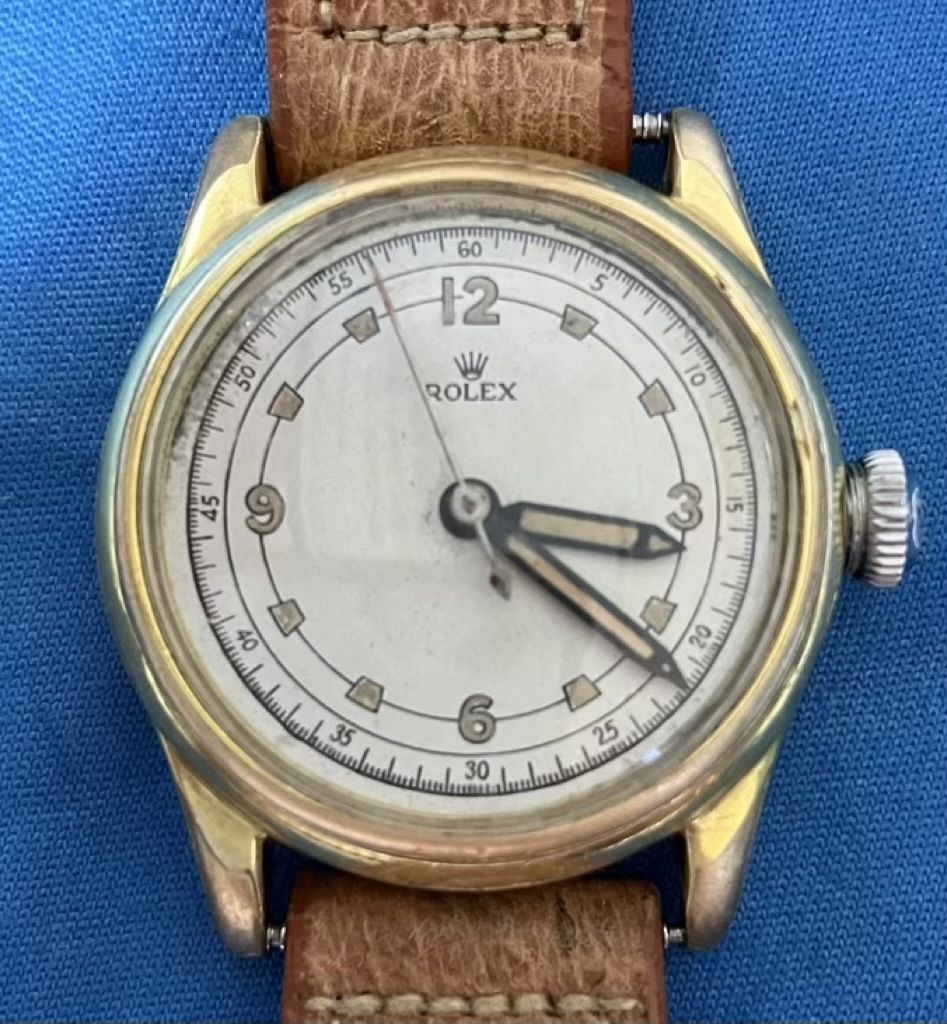
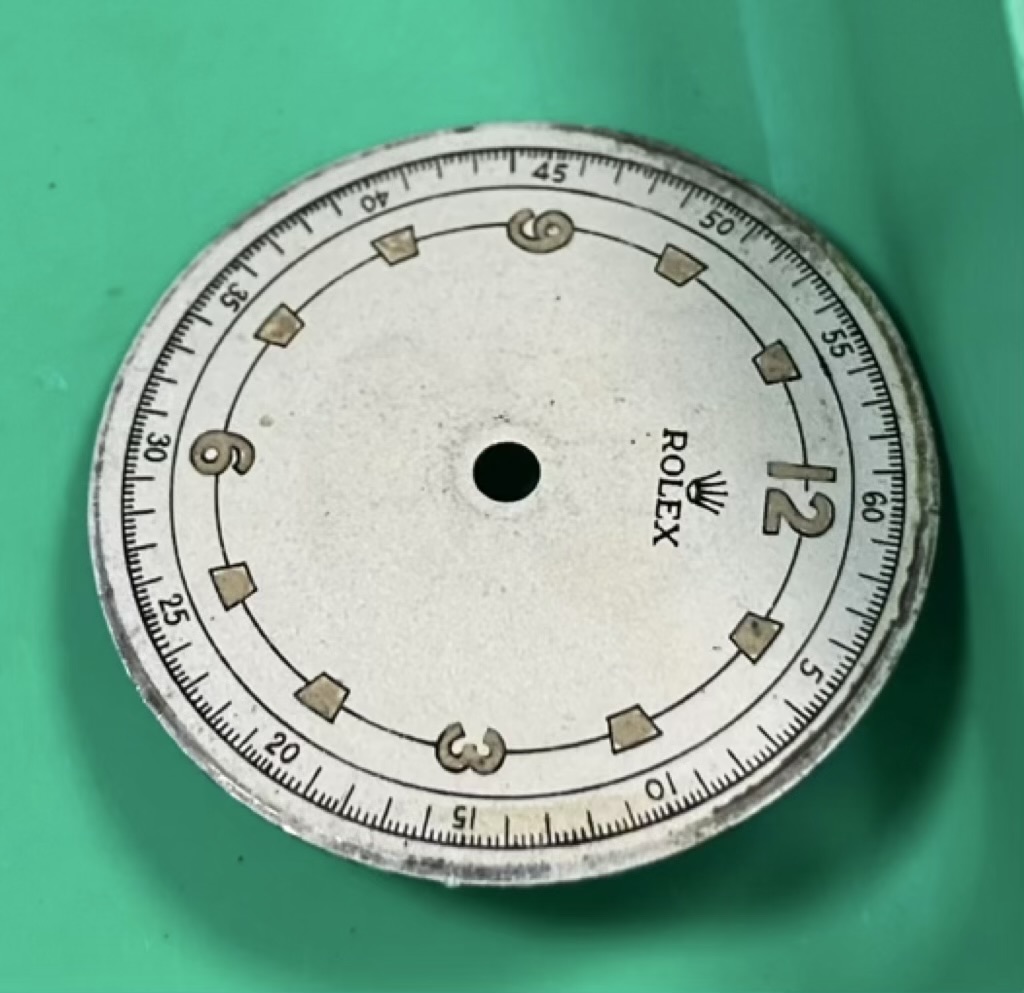
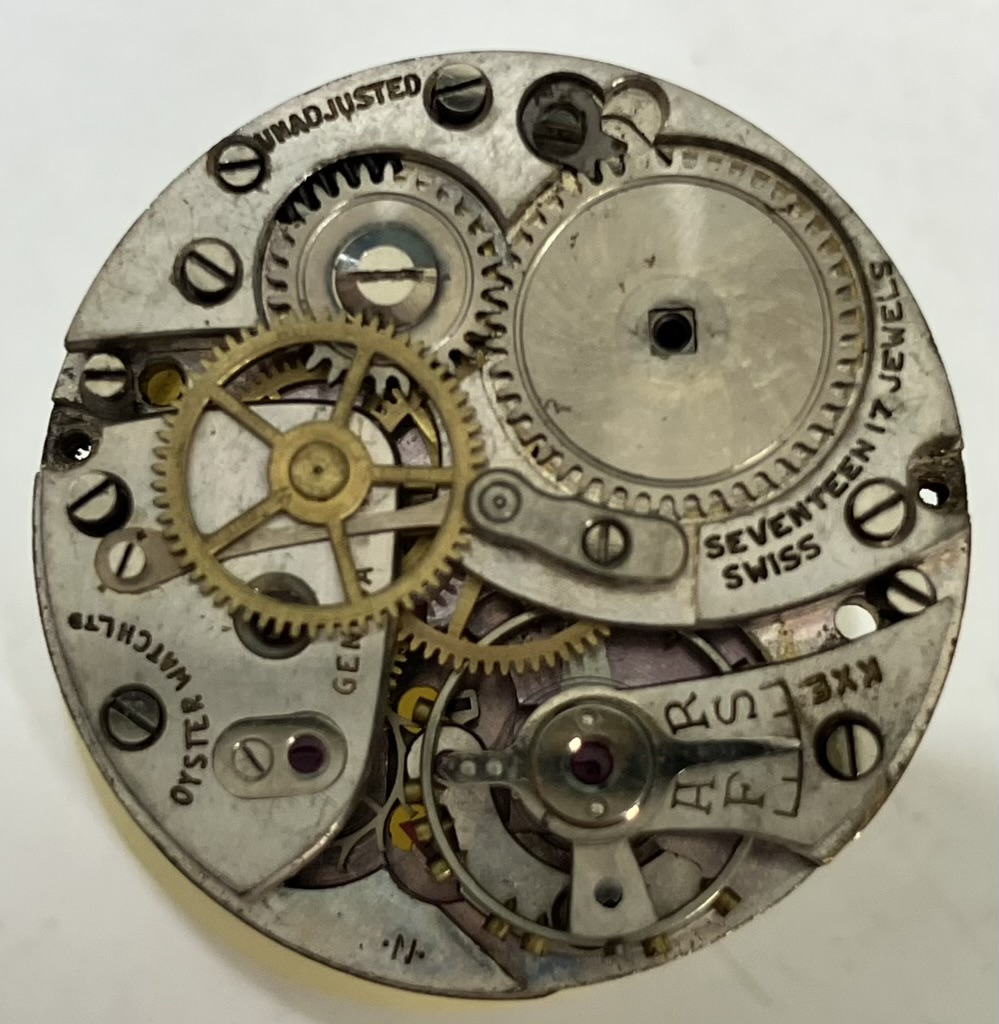
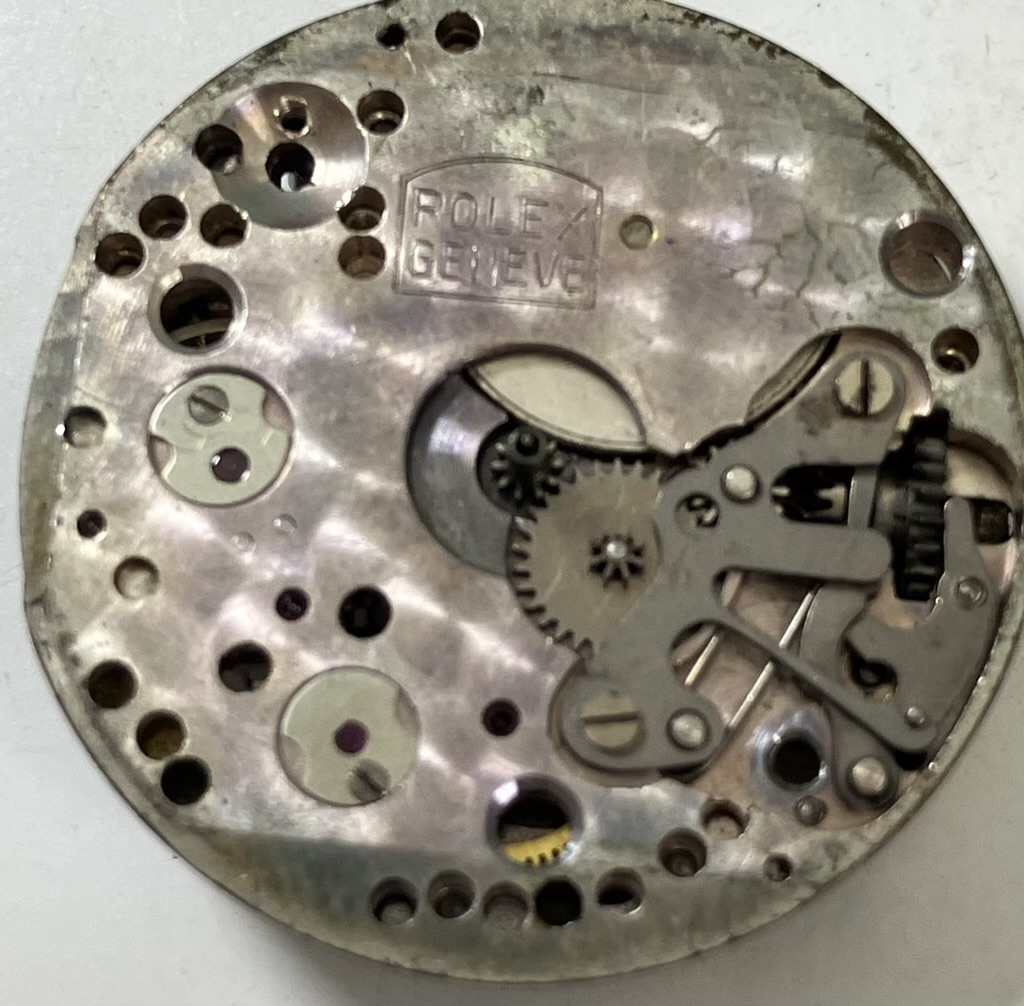
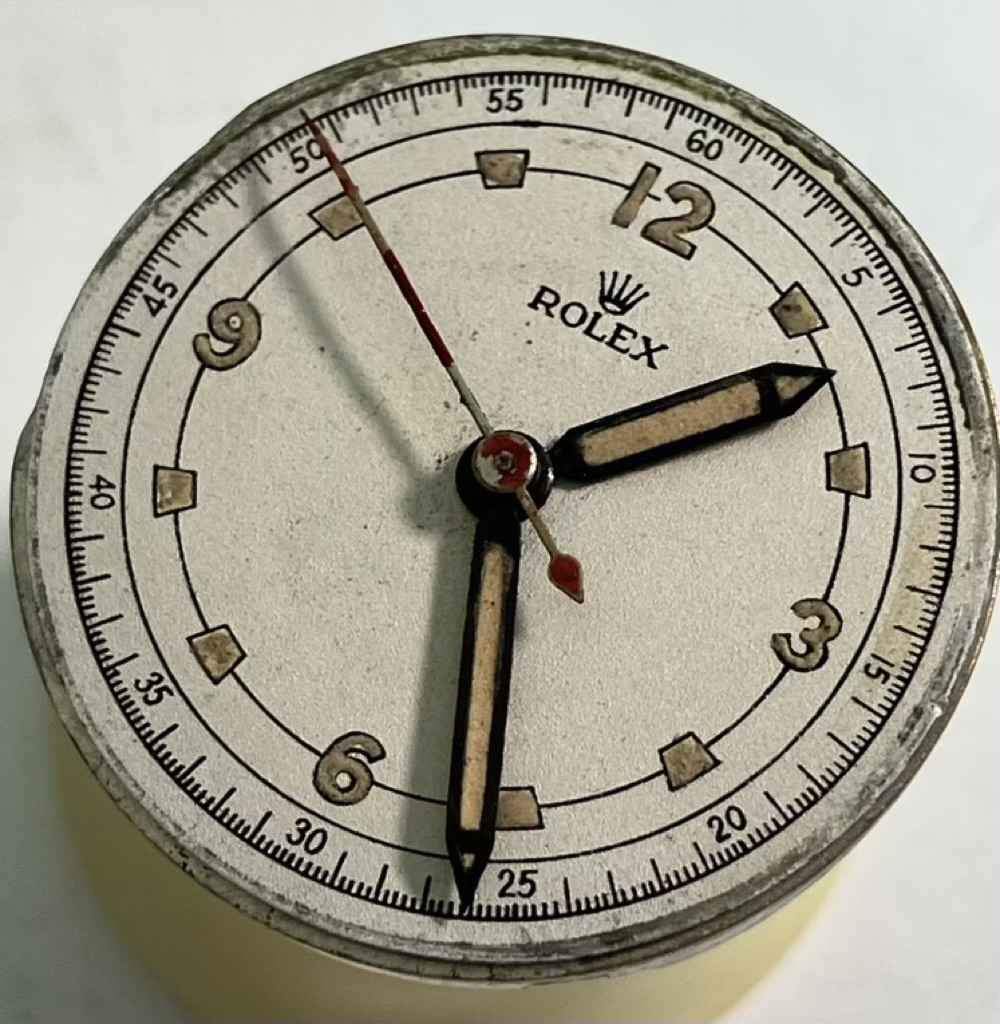
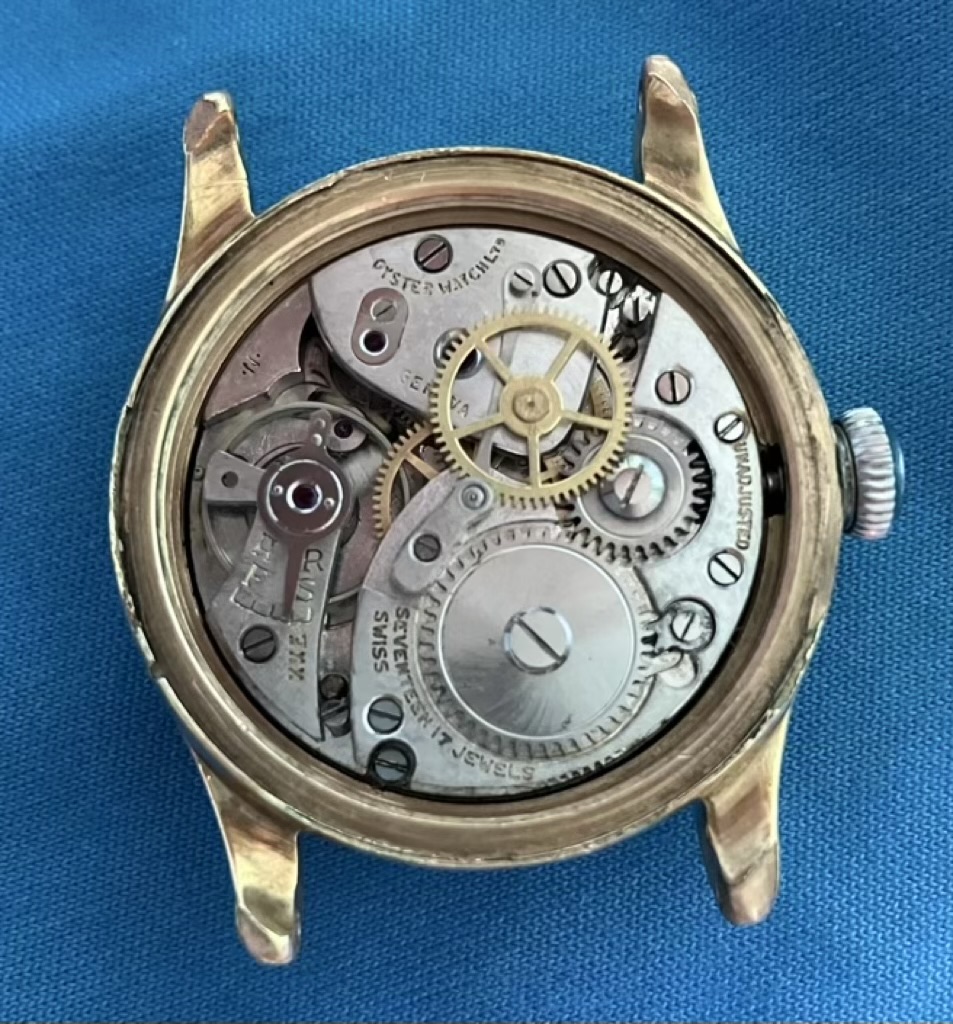
This vintage Rolex wristwatch came into my shop for a basic service and inspection. Although I have not been able to positively identify the exact caliber, the movement appears to be from the earlier generation of Rolex manual-wind movements, predating the later 600-series calibers. The watch is an interesting example of Rolex's earlier wristwatch production, with a distinctive vintage dial, small-seconds layout, and a finely finished 15-jewel movement.
For a watch of this age, the overall condition is quite good. The movement was complete and showed no significant damage, making this primarily a matter of careful cleaning, lubrication, adjustment, and preservation rather than extensive restoration.
Condition & Service
The movement was inspected prior to disassembly and found to be in generally good mechanical condition. As with most vintage watches that have gone many years without regular maintenance, the existing oils and lubricants had deteriorated and required replacement.
The service included:
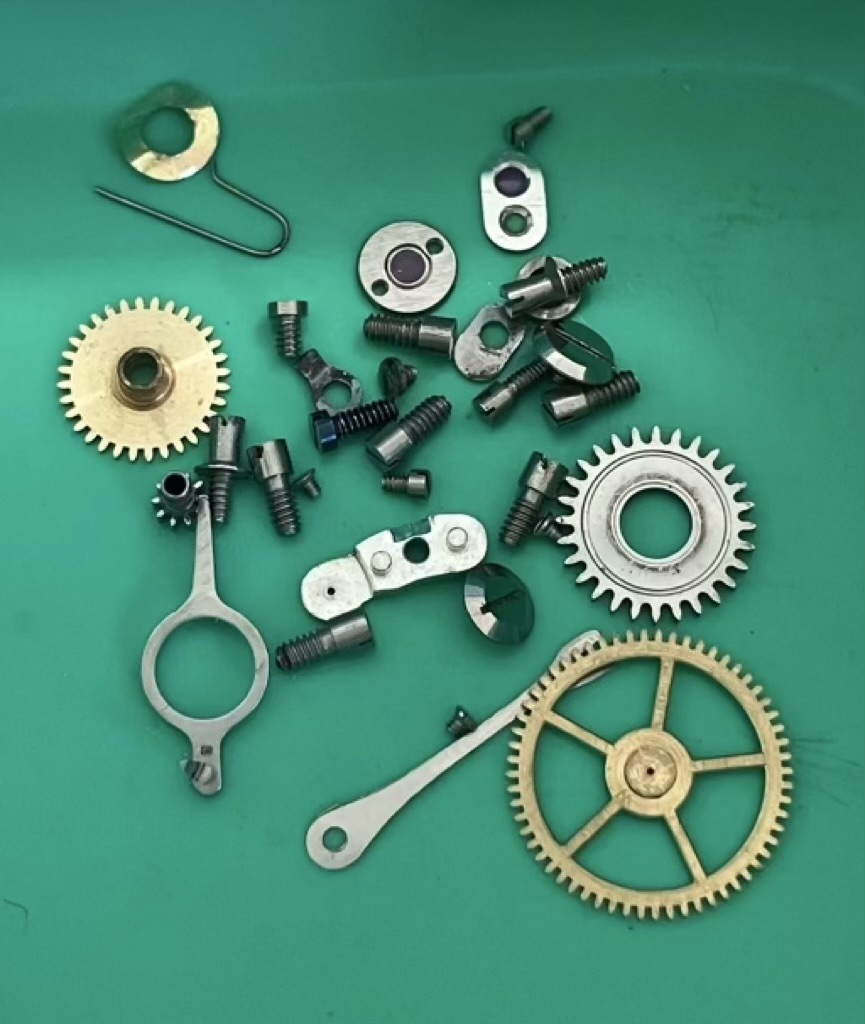
- Complete disassembly of the movement
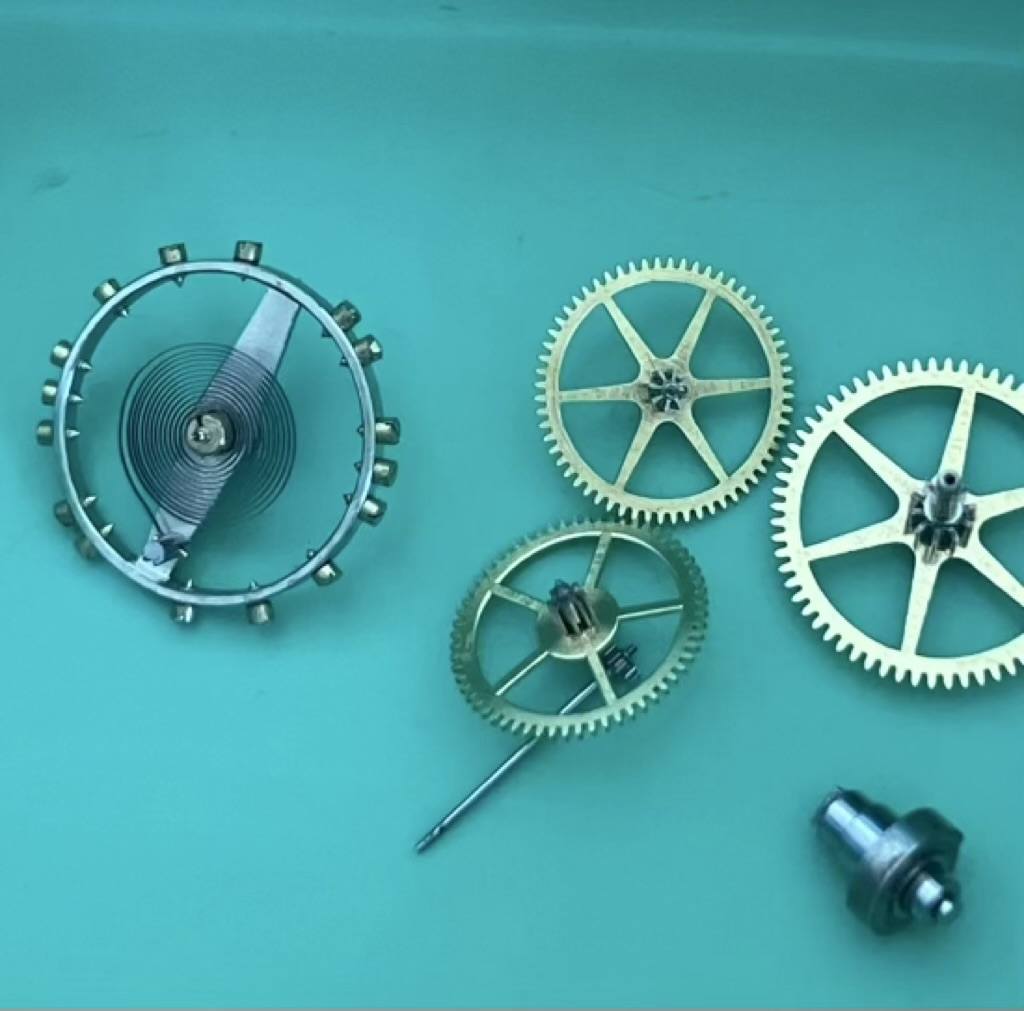
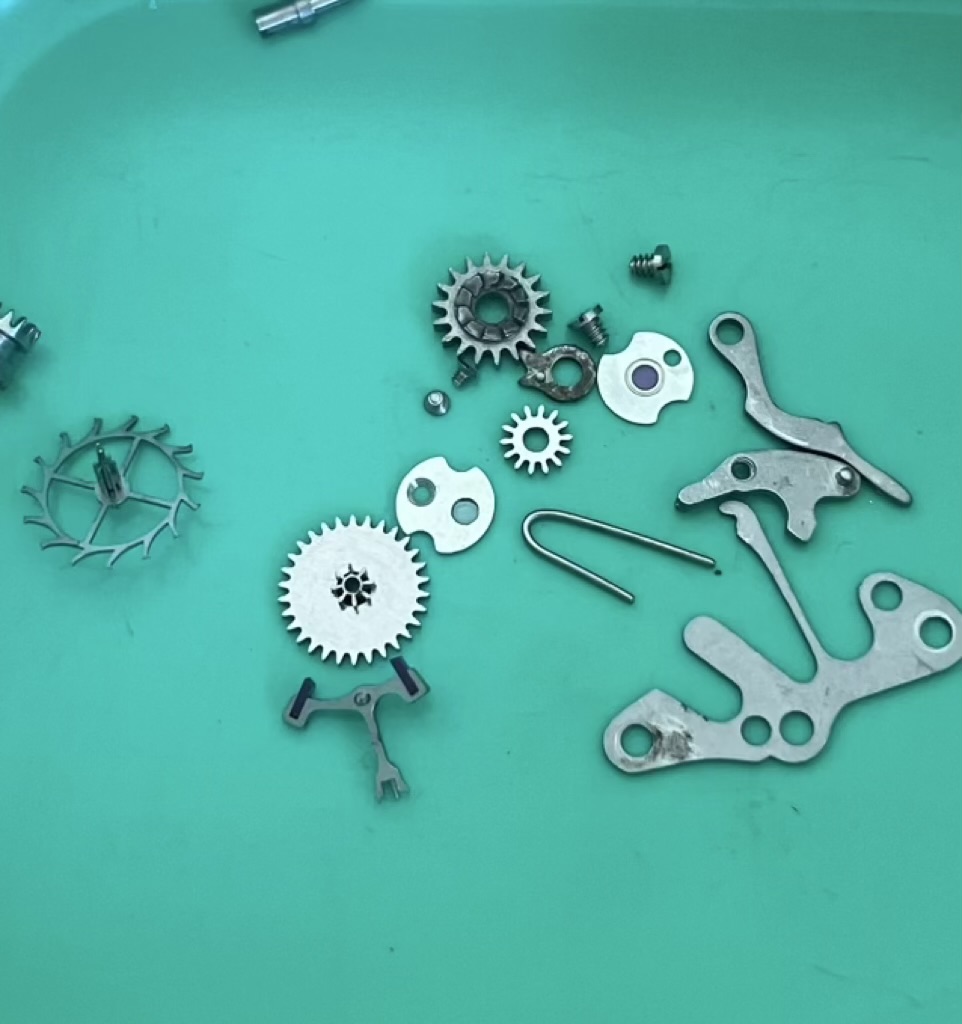
- Careful inspection of the wheels, pivots, jewels, and escapement
- Cleaning of the individual movement components
- Proper lubrication using modern synthetic watch oils
- Reassembly and Regulation for reliable timekeeping
Because the movement was in good condition for its age, extensive parts replacement or restoration was not necessary. The goal was to return the movement to dependable operation while preserving as much of the original watch as possible.
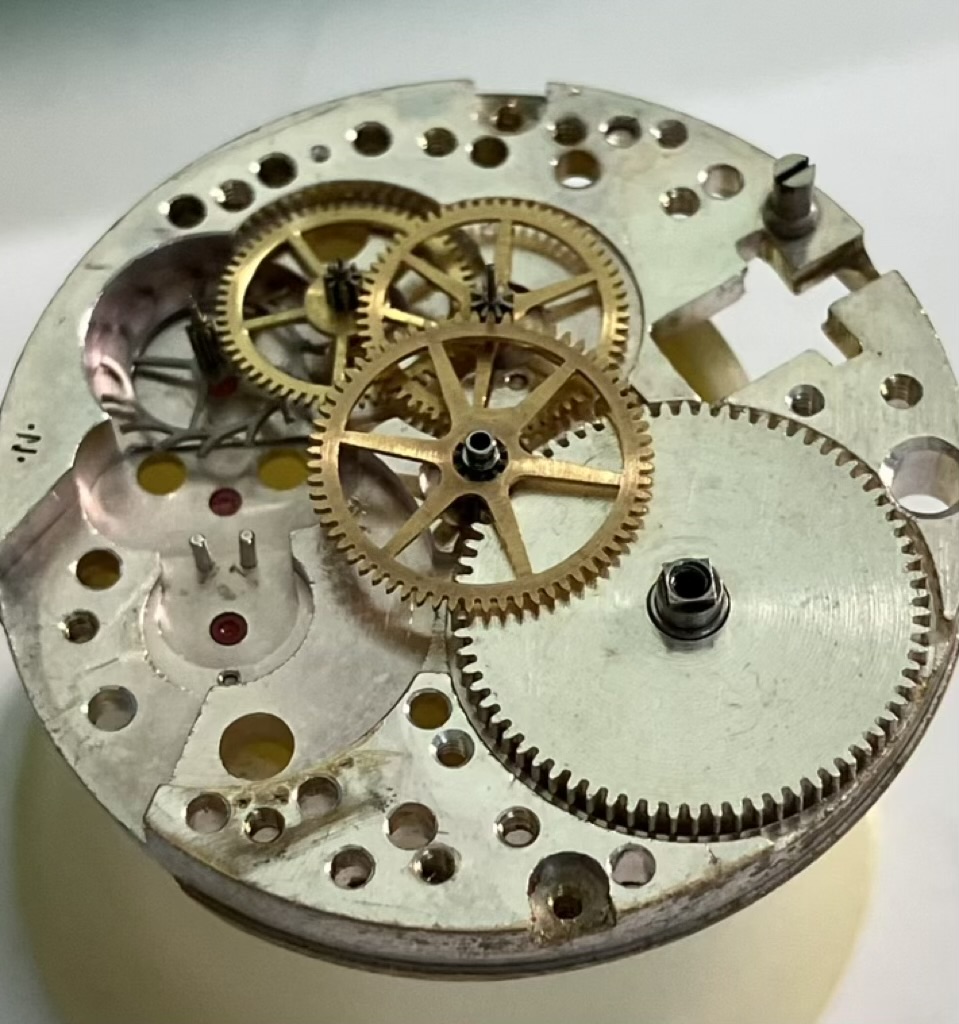
An Early Rolex Movement
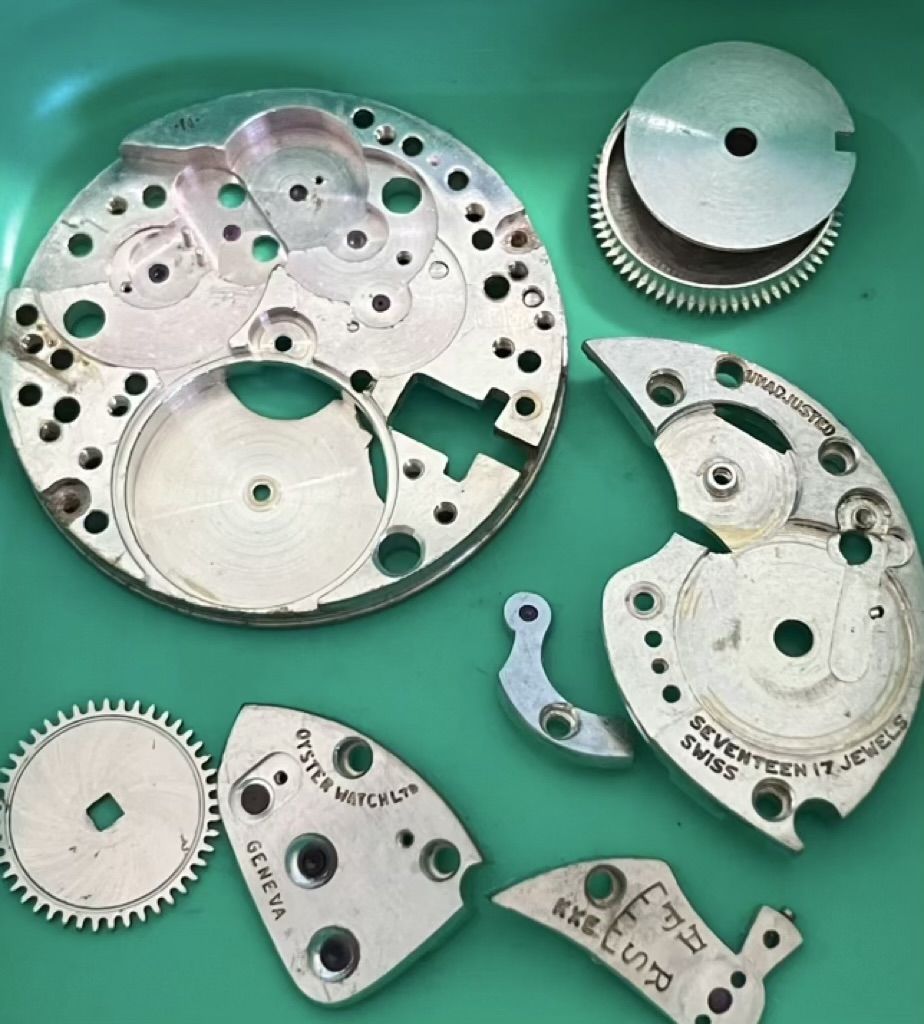
Identifying early Rolex movements can sometimes be surprisingly difficult. Rolex produced a number of closely related calibers during the company's early development, and some examples can be difficult to distinguish without examining dimensions, movement markings, and construction details.
I have not been able to positively identify the caliber in this particular watch. Based on its construction and apparent size, however, I believe it belongs to an earlier Rolex movement family predating the 600-series calibers.
Conclusion
This Rolex is a good example of why preservation is often the best approach when servicing an older timepiece. The watch was in remarkably good condition for its age, and the movement responded well to a straightforward cleaning, lubrication, and adjustment. Rather than unnecessarily replacing original components or refinishing the watch, the objective was simply to restore reliable mechanical operation while retaining its character and originality.
If you have an early or vintage Rolex watch that requires service or repair, I would be happy to evaluate it. Each vintage timepiece presents its own challenges, and I take a preservation-focused approach whenever the condition of the watch allows.
If you would like to initiate the repair of your vintage timepiece contact me directly, or visit getting started.
For additional information on watches we work on please visit these pages: Vintage Rolex repair— Vintage Breitling repair —Vintage Omega repair — Vintage Heuer repair —Bulova Repair, and Pocket Watch Repair. See my FAQ for additional information, and visit Watch Repair Case Studies.