
Service and Restoration of the Otay Watch Co Pocket Watch 15 Jewel Model
The Otay Watch Co. 15-jewel pocket watch is a rare and intriguing example of early American watchmaking, valued by collectors for its distinctive design and mechanical craftsmanship. In this service and preservation case study, we detail the careful restoration performed on this uncommon timepiece, including movement servicing, and mechanical adjustments necessary to restore reliable performance. Whether you’re researching vintage pocket watch repair or considering service for your own heirloom timepiece, this case study highlights the expert care and precision required to preserve both function and historical integrity.
If you would like to initiate the repair of your vintage timepiece contact me directly, or visit getting started.
For additional information on watches we work on please visit these pages: Vintage Rolex repair— Vintage Breitling repair —Vintage Omega repair — Vintage Heuer repair —Bulova Repair, and Pocket Watch Repair. See my FAQ for additional information, and visit Watch Repair Case Studies.
History of the Otay Pocket Watch
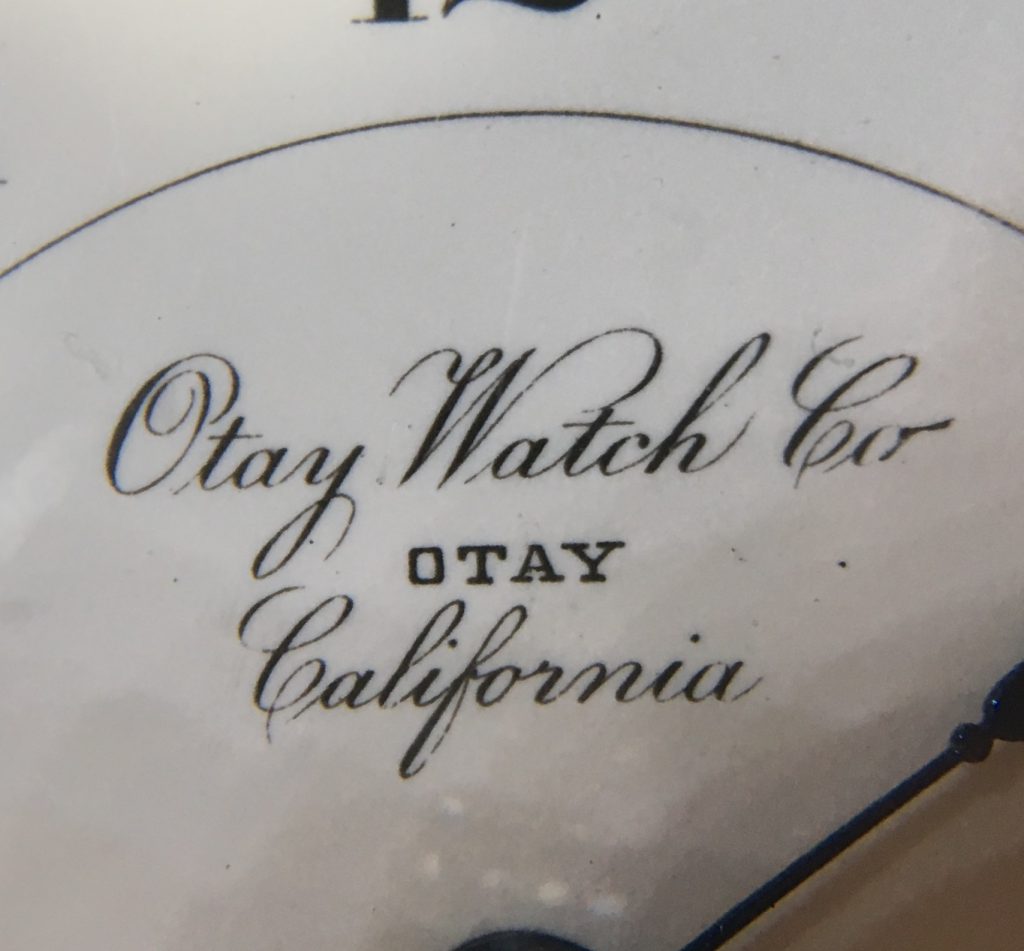
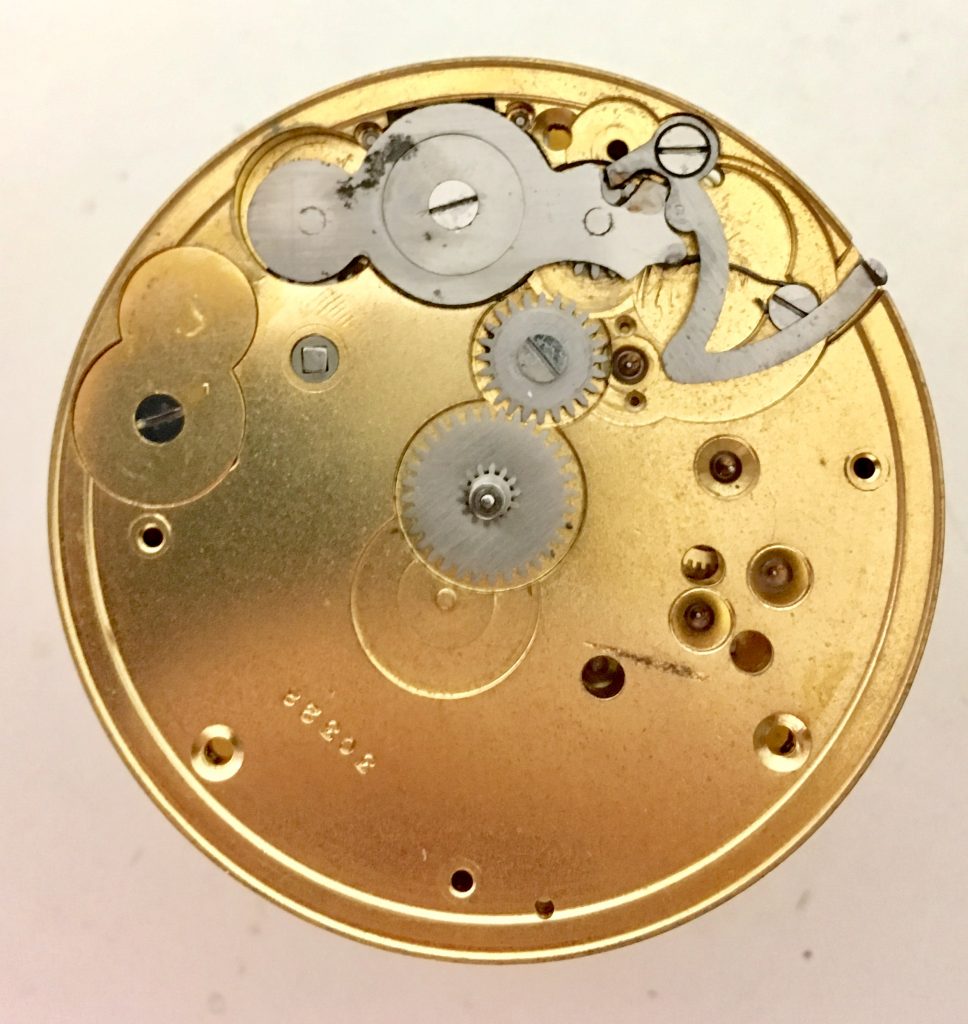
A proper introduction would be appropriate for this rare watch. The Otay Watch Co (located in Otay California) produced watches for all of one year (1890). There target market was Mexico, but for various reasons the company failed after the production of around 1000 watches. Although some sources cited poor quality as one of the reasons the company failed, my observations during a service/preservation of the 15 jewel model indicated otherwise. This is a solid good quality watch on par with any of the midrange full plate watches produced by the other American Watch companies of the period (Elgin, Waltham). I have not found any detailed documentation online of the movement, so here you go. Enjoy the pictures below documenting all parts as the watch is reassembled after cleaning.
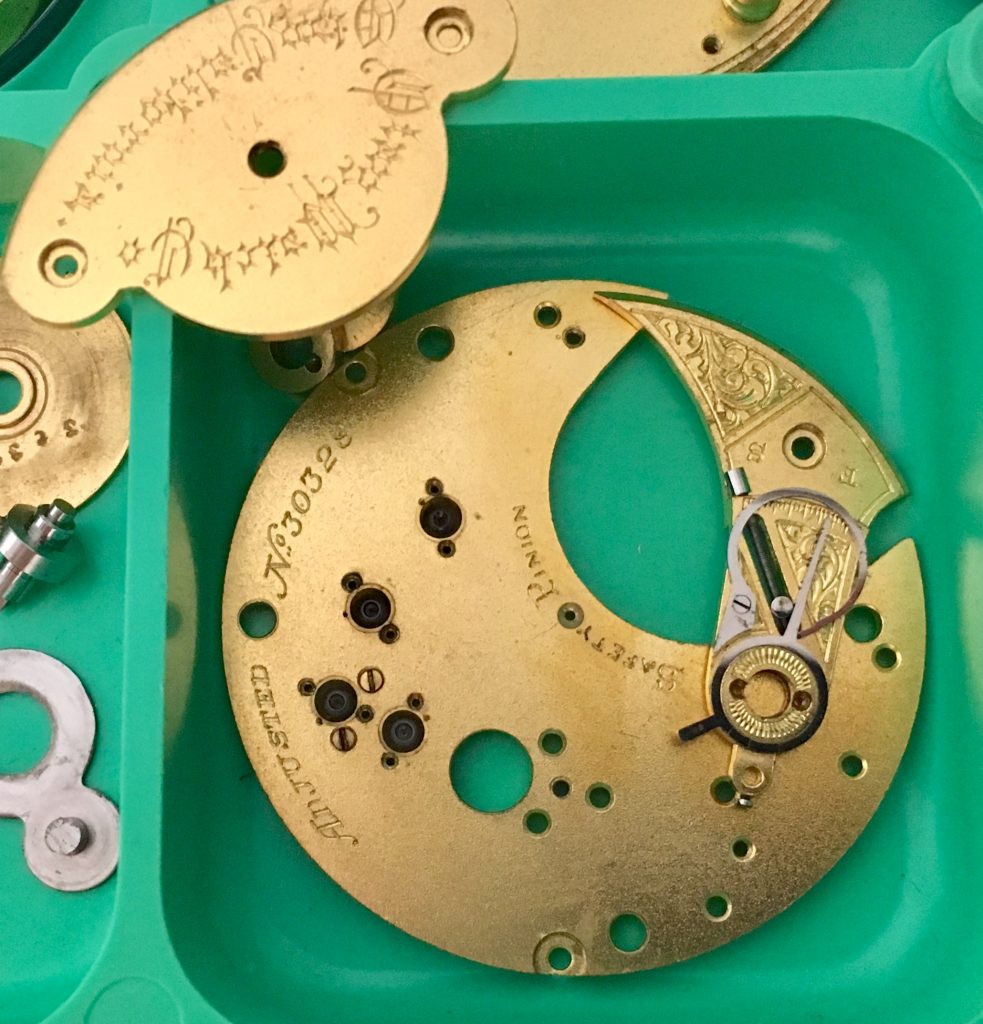
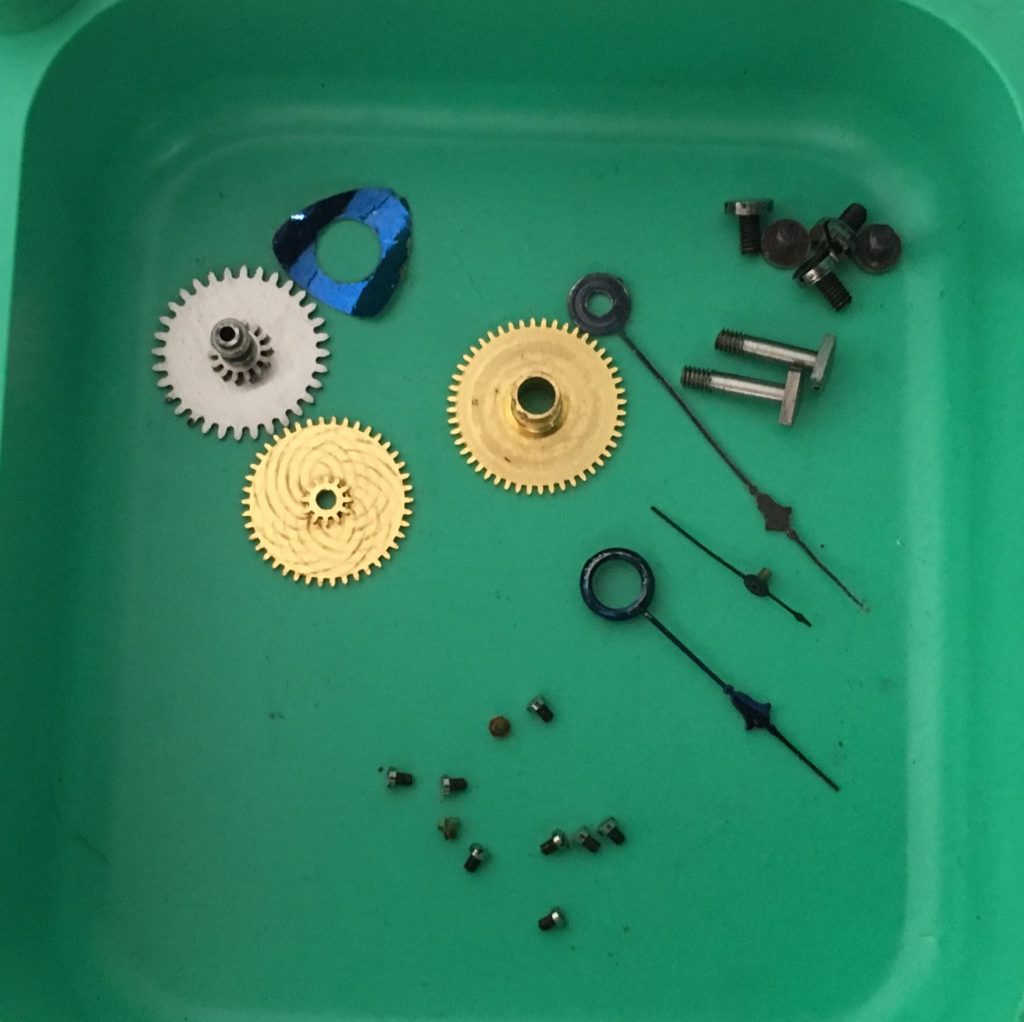
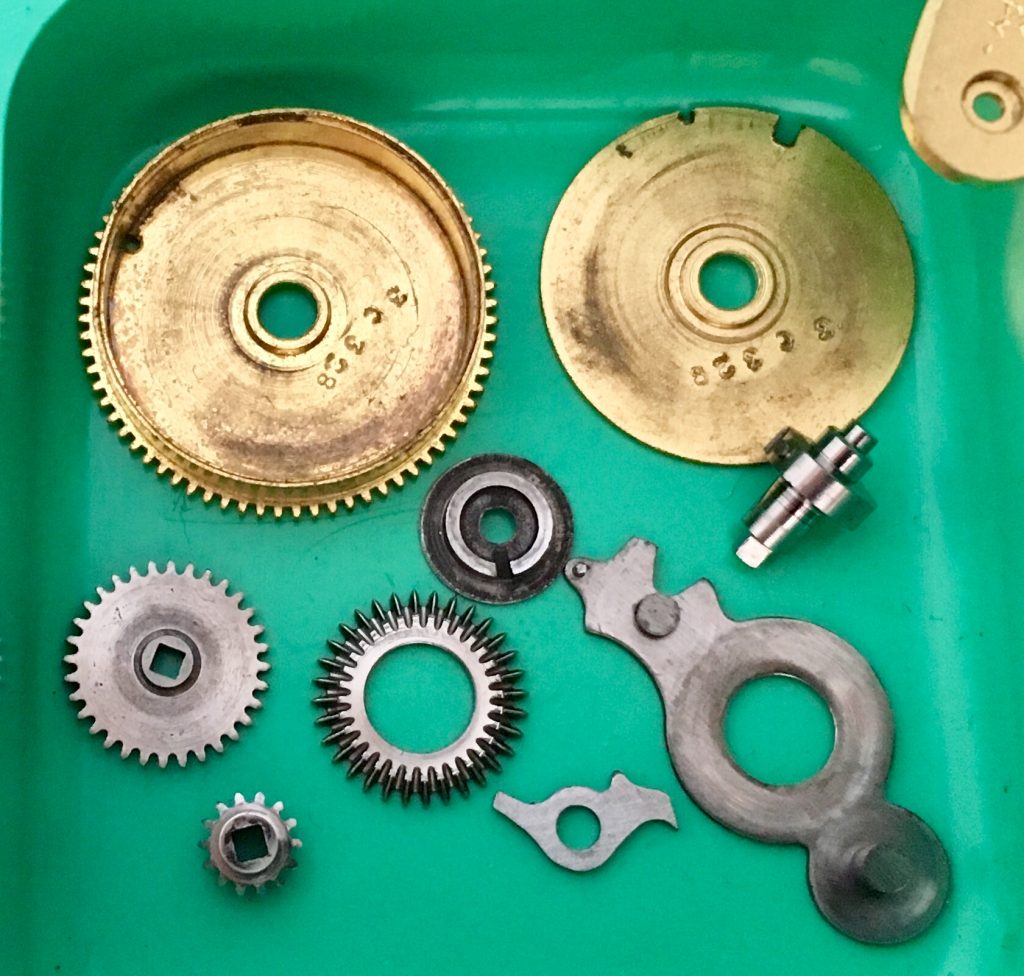
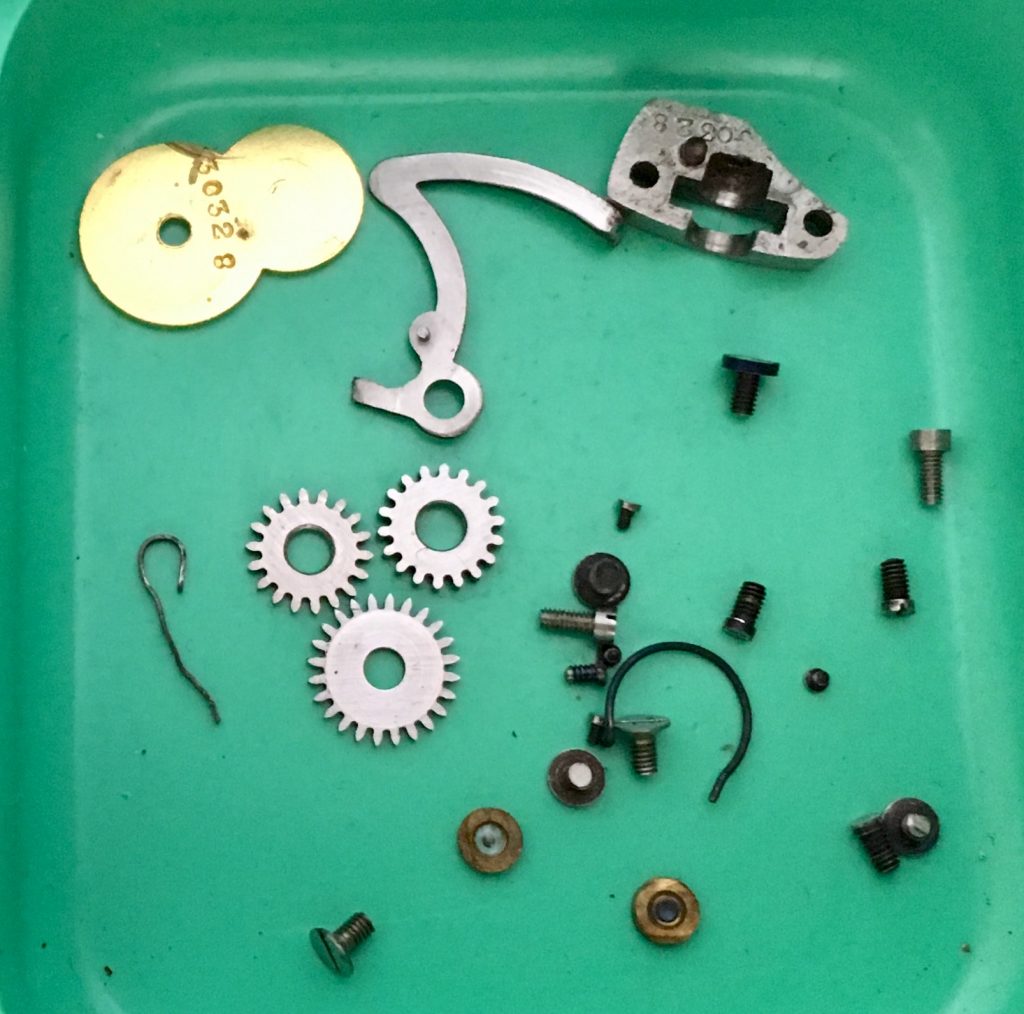
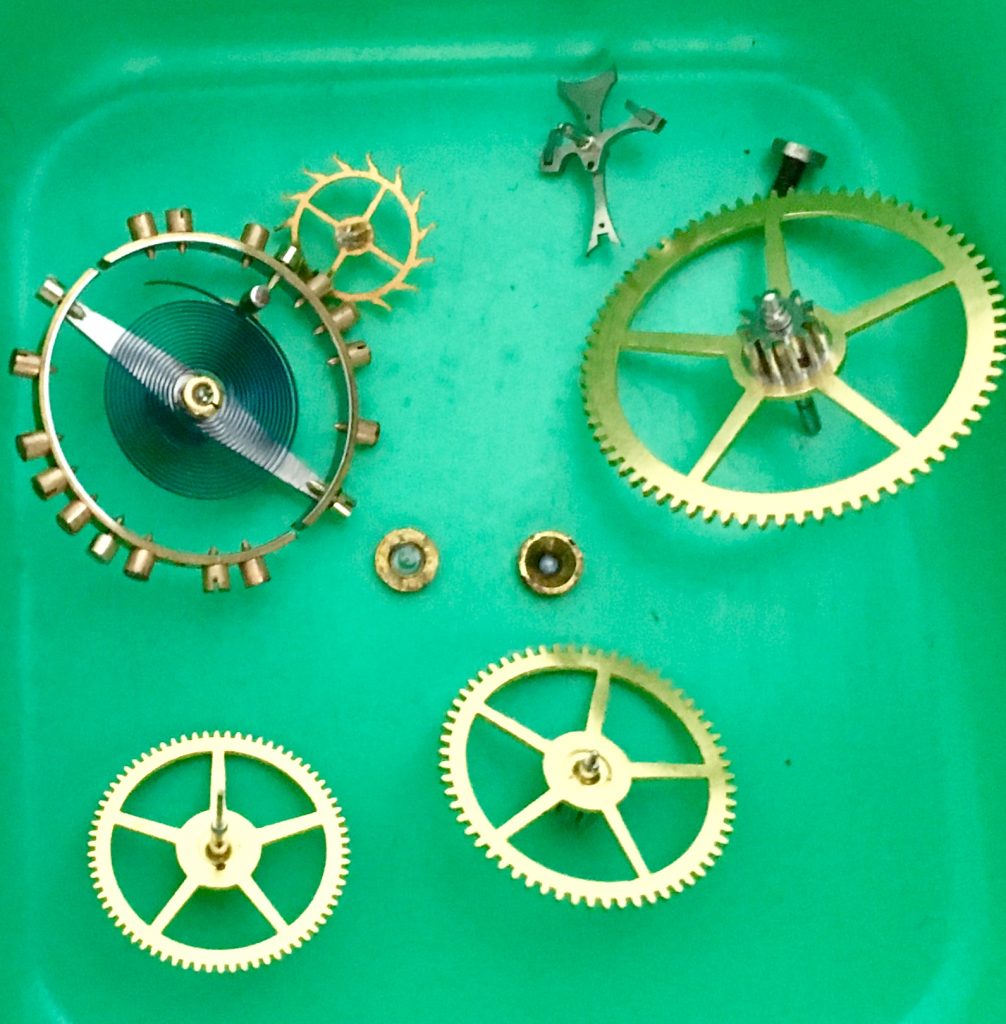
The images above show steel parts with a decent finish, and jewels set in removable brass settings. Notice the unique “swallow tail” pallet fork.
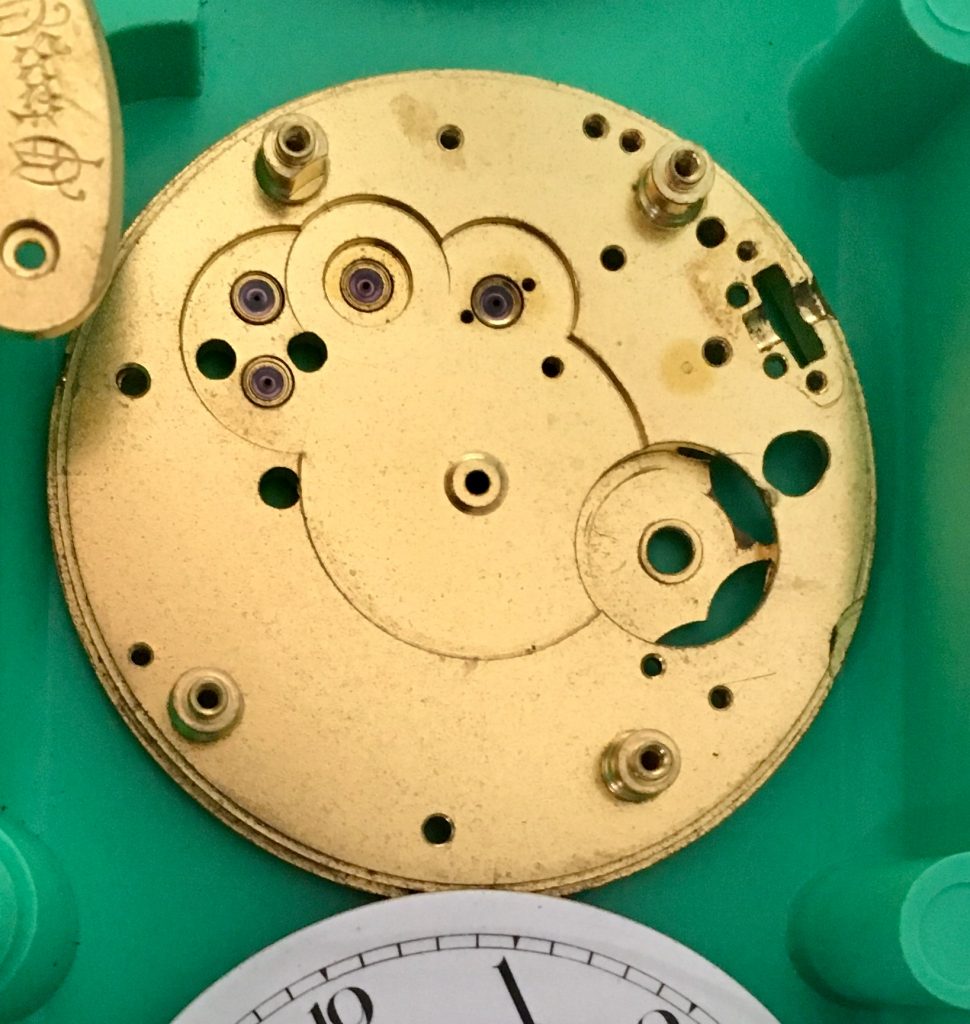
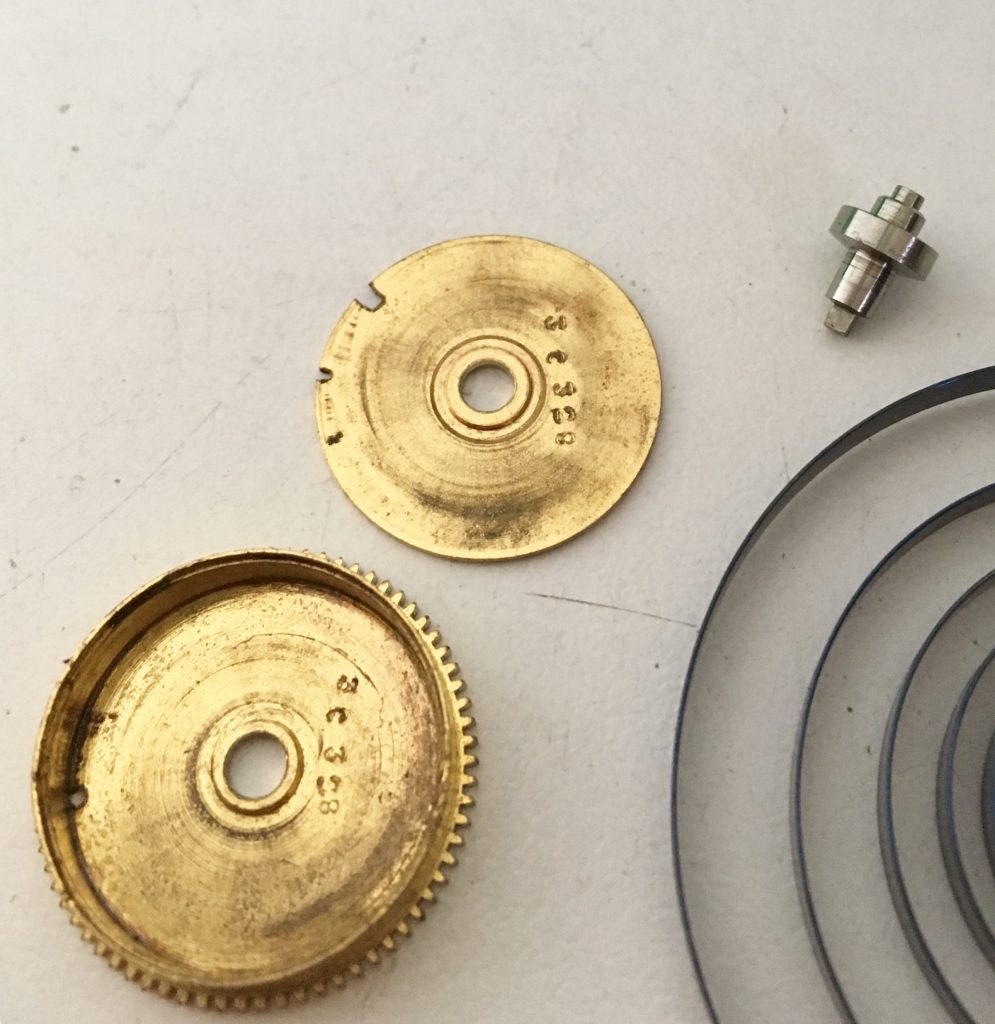
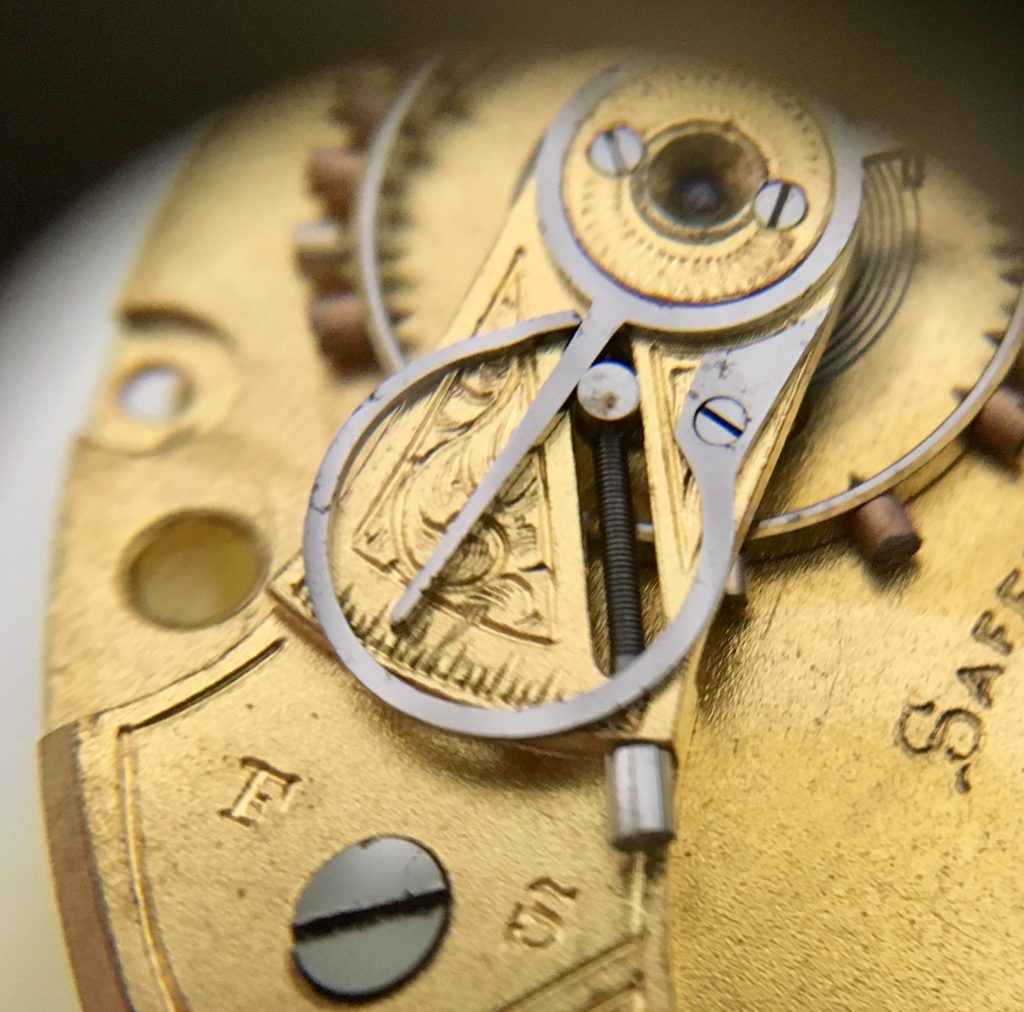
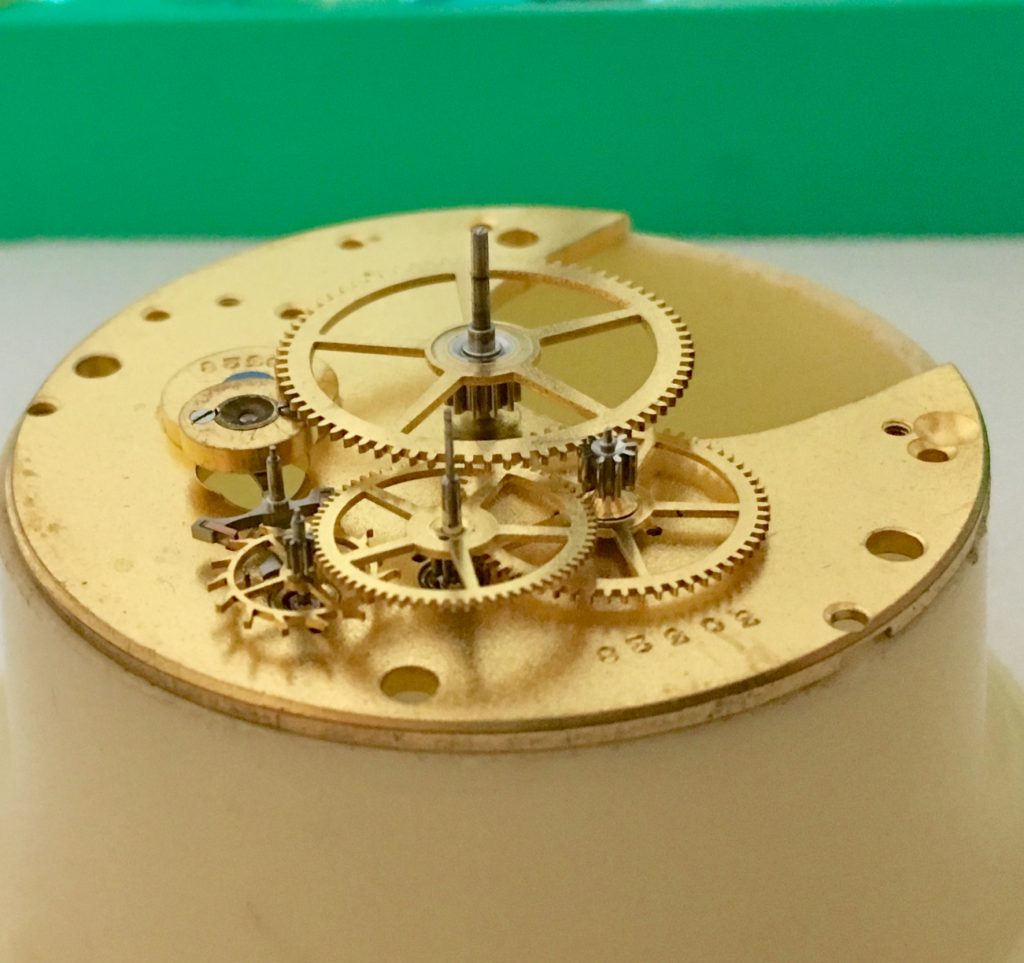
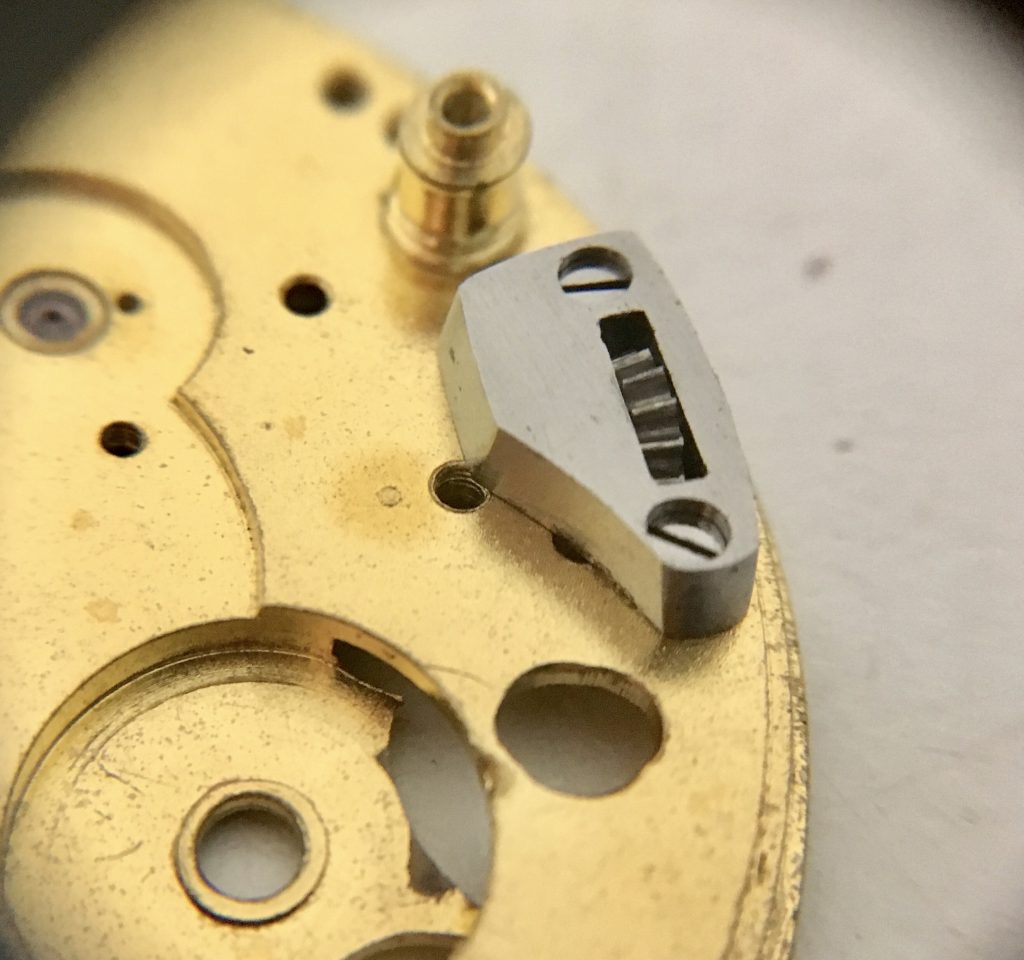
Steel parts are machined well, wheels/pinions are cut smoothly, and pivots are polished. Notice the unique regulator.
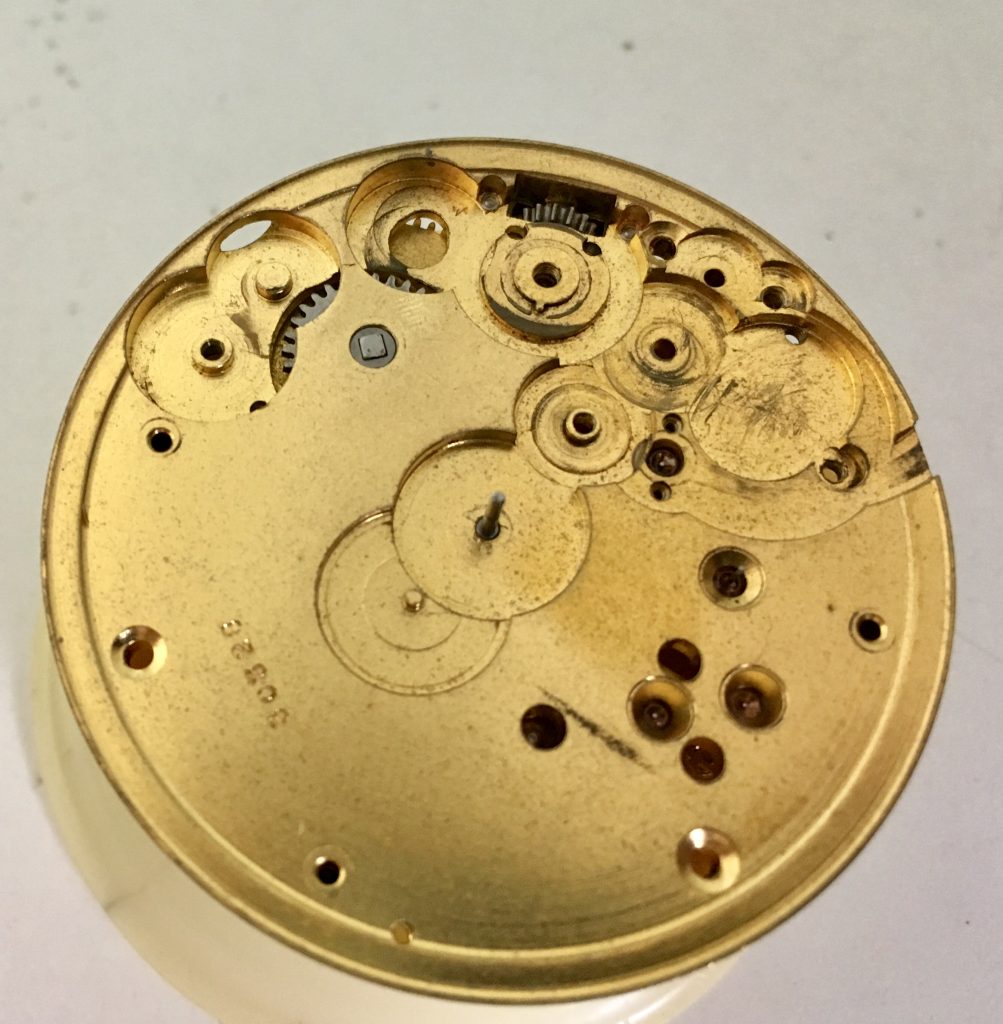
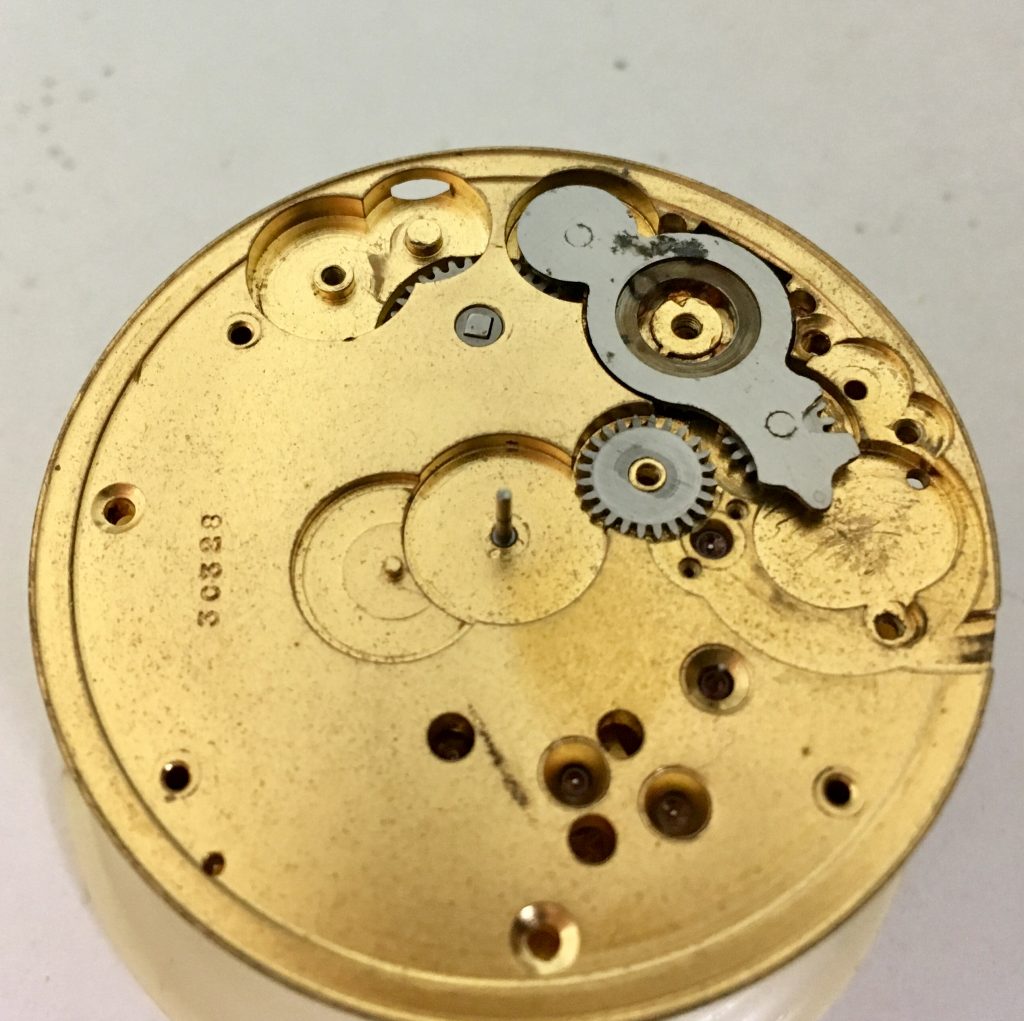
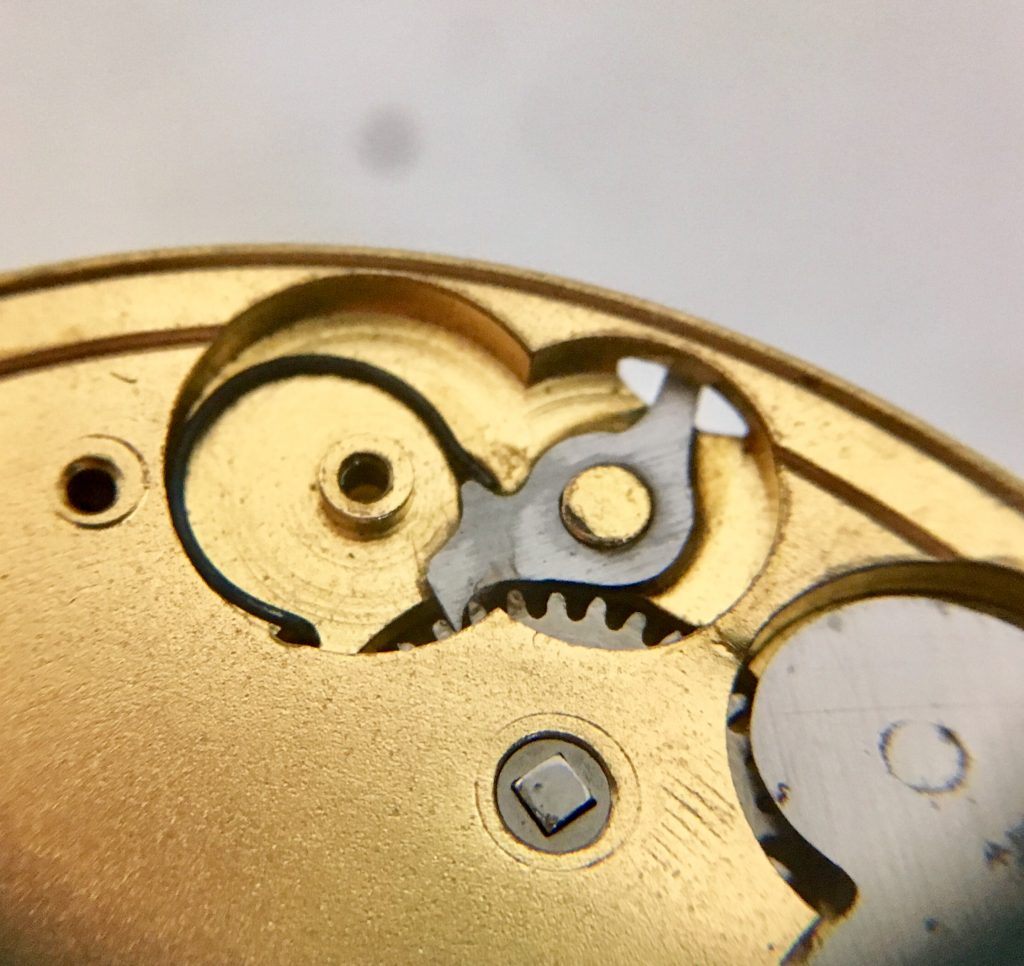
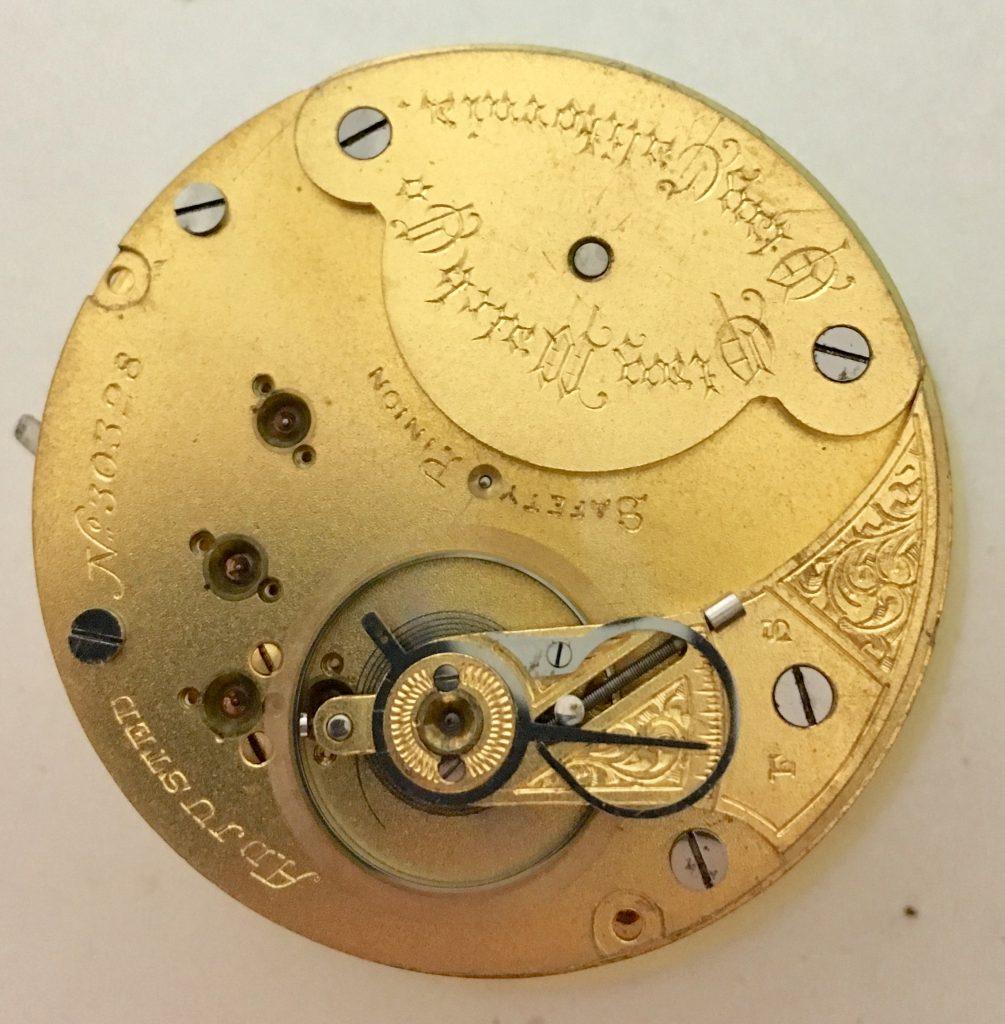
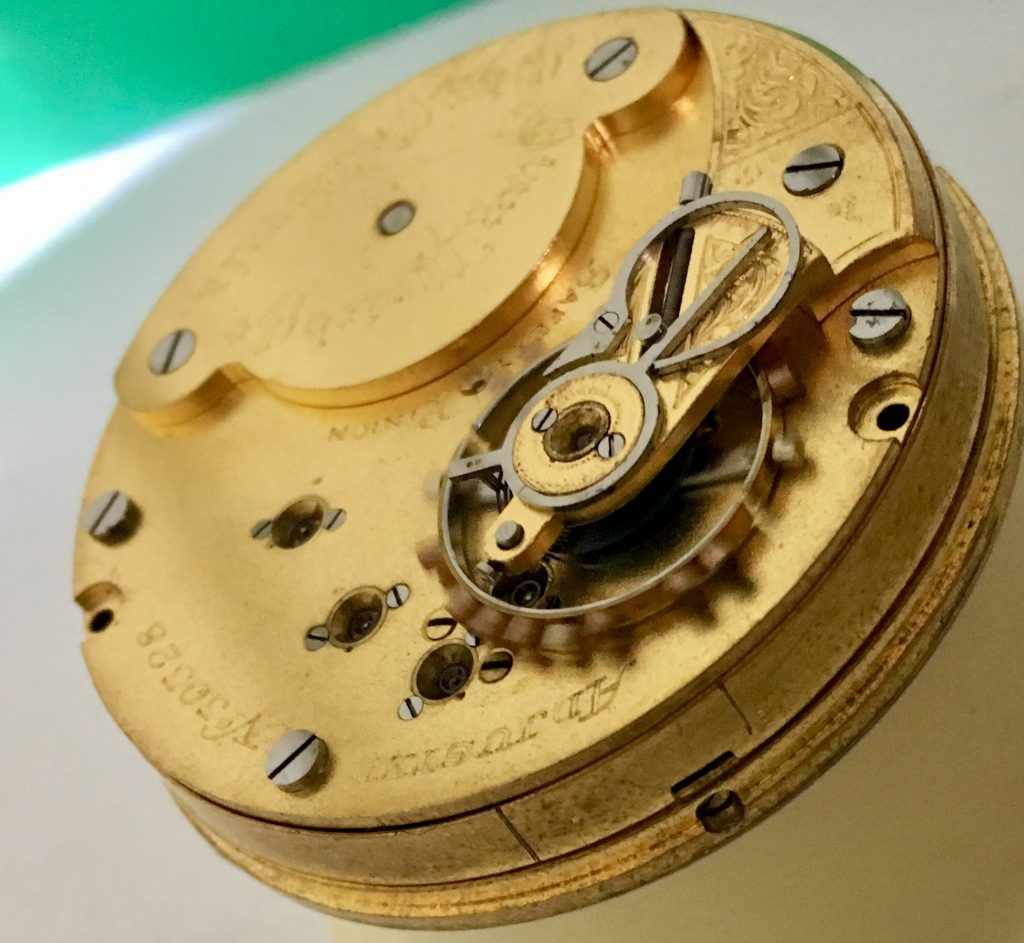
Although the top plate layout is somewhat unique (as well as the single riveted dust ring), it is not atypical of other full plate watches of the period. The balance wheel is temperature compensating, has a flat hairspring, and includes mean timing screws. The watch runs well in all position after cleaning and oiling.
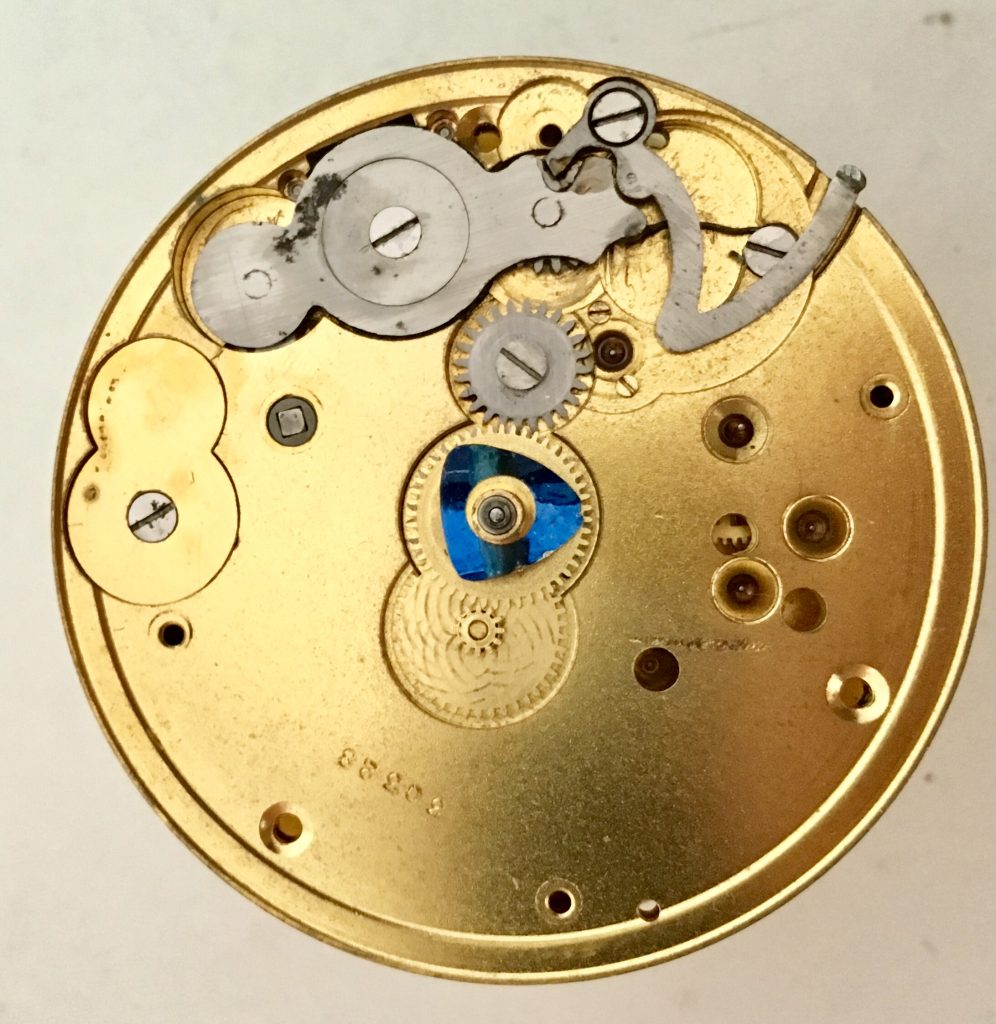
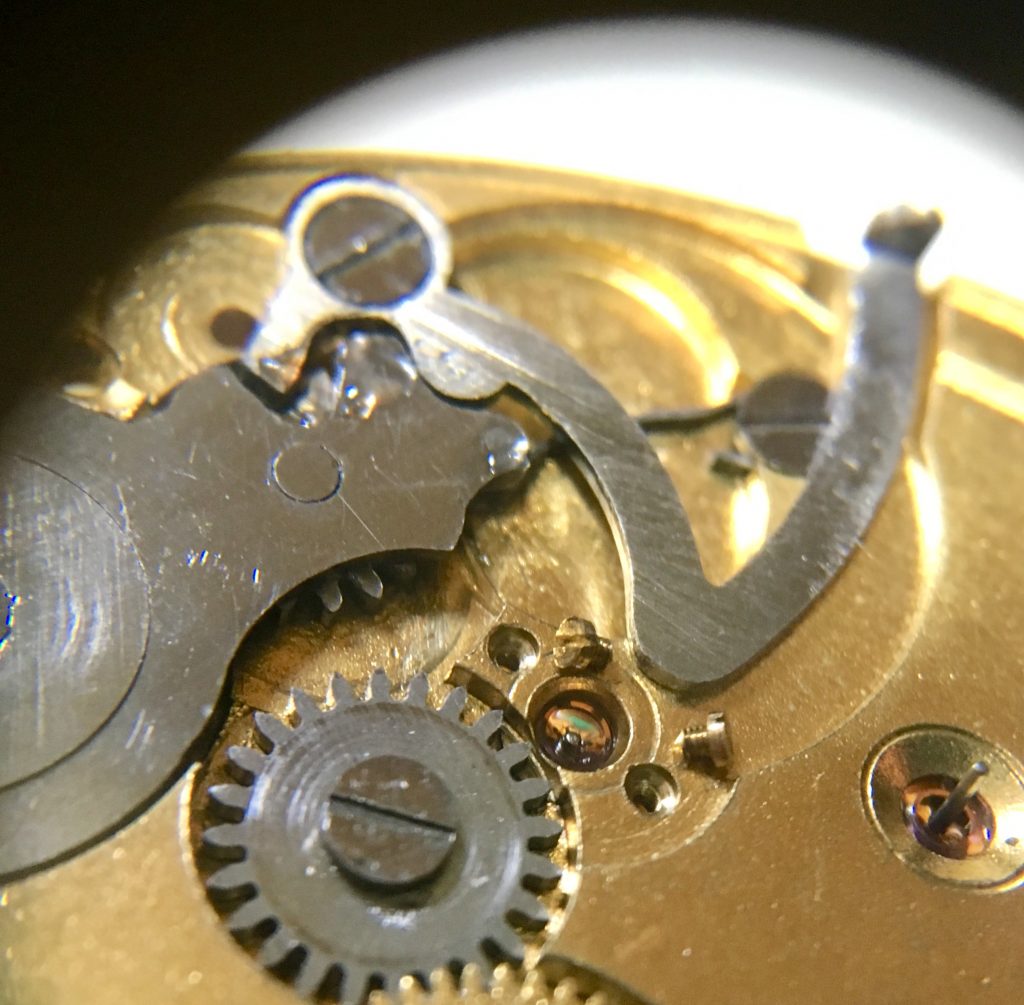

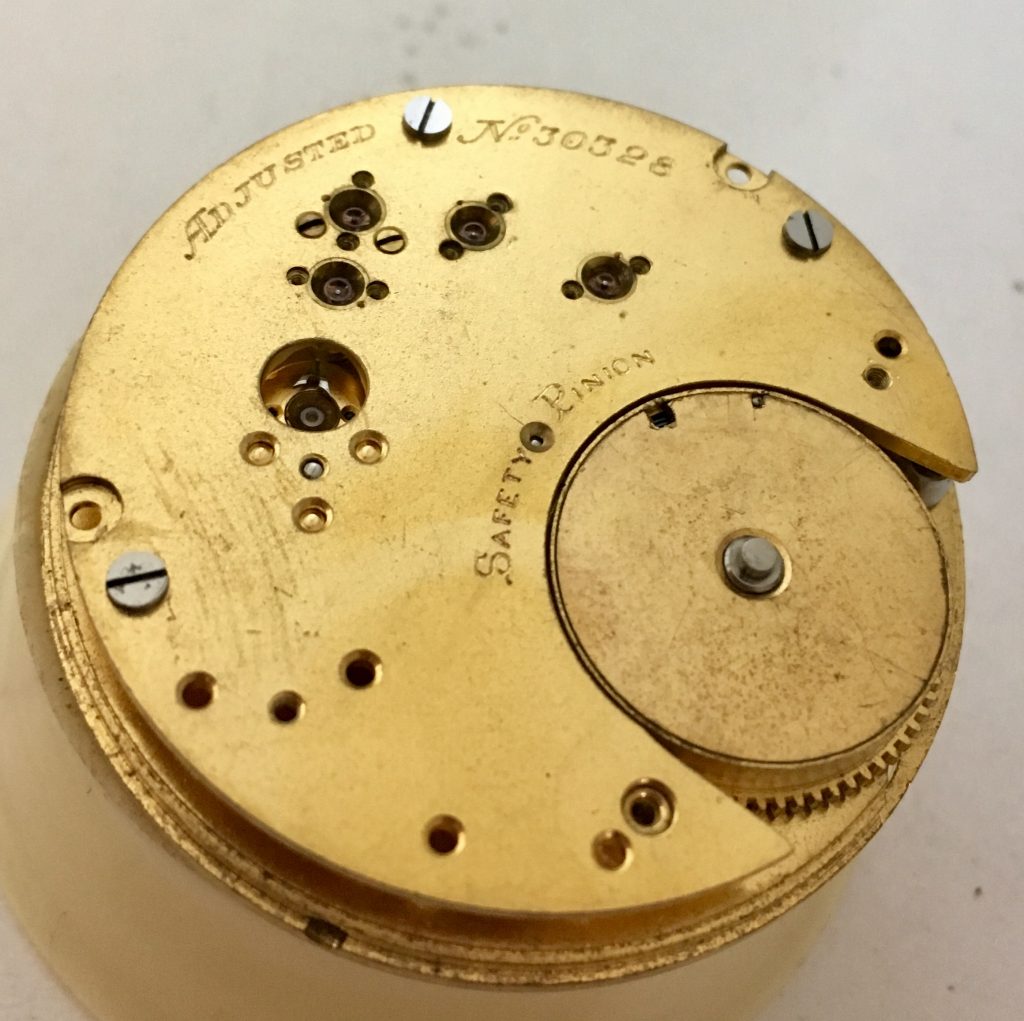
The watch is stemwind leverset. Bottom plate jewels have removable settings also (friction fit). Expect for the 3rd wheel jewel, which is kept in place with brass screws (somewhat unique). The center wheel is protected by a typical safety pinion (threaded pinion). Notice very little corrosion throughout, as the watch has been kept in good shape.
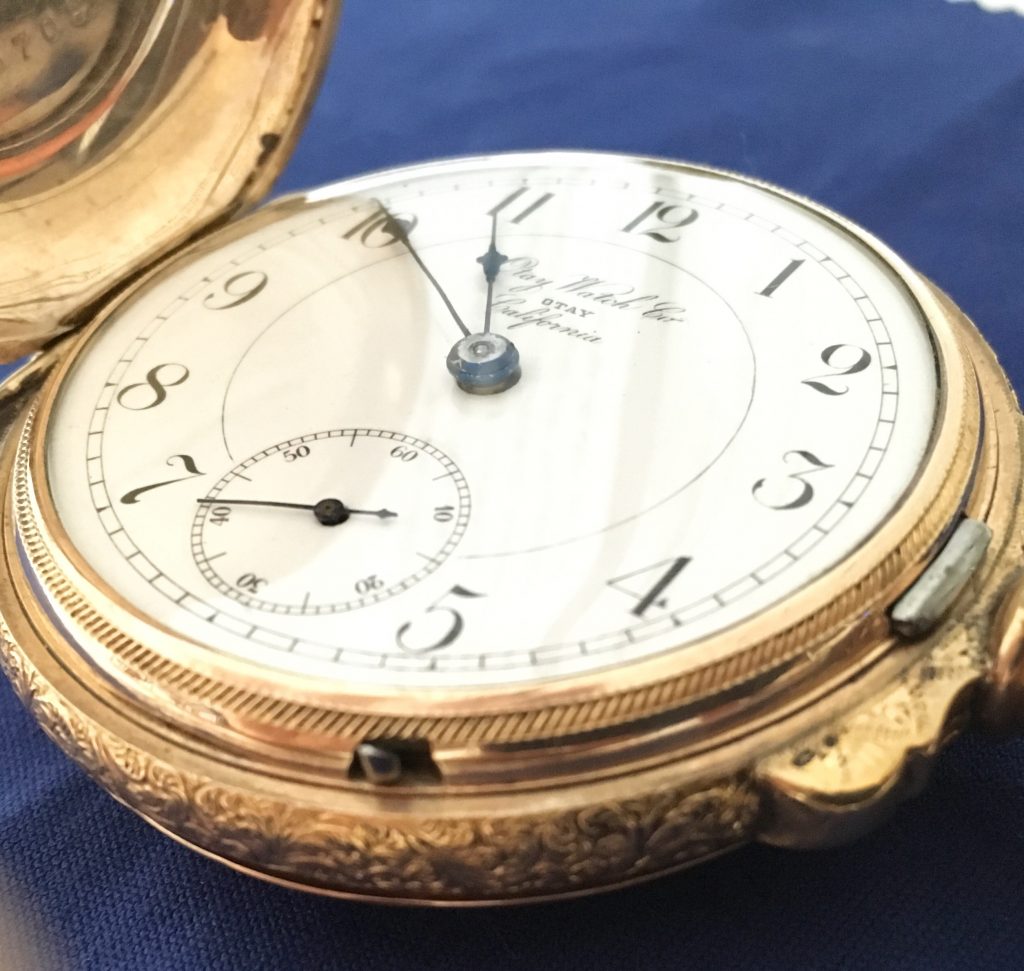
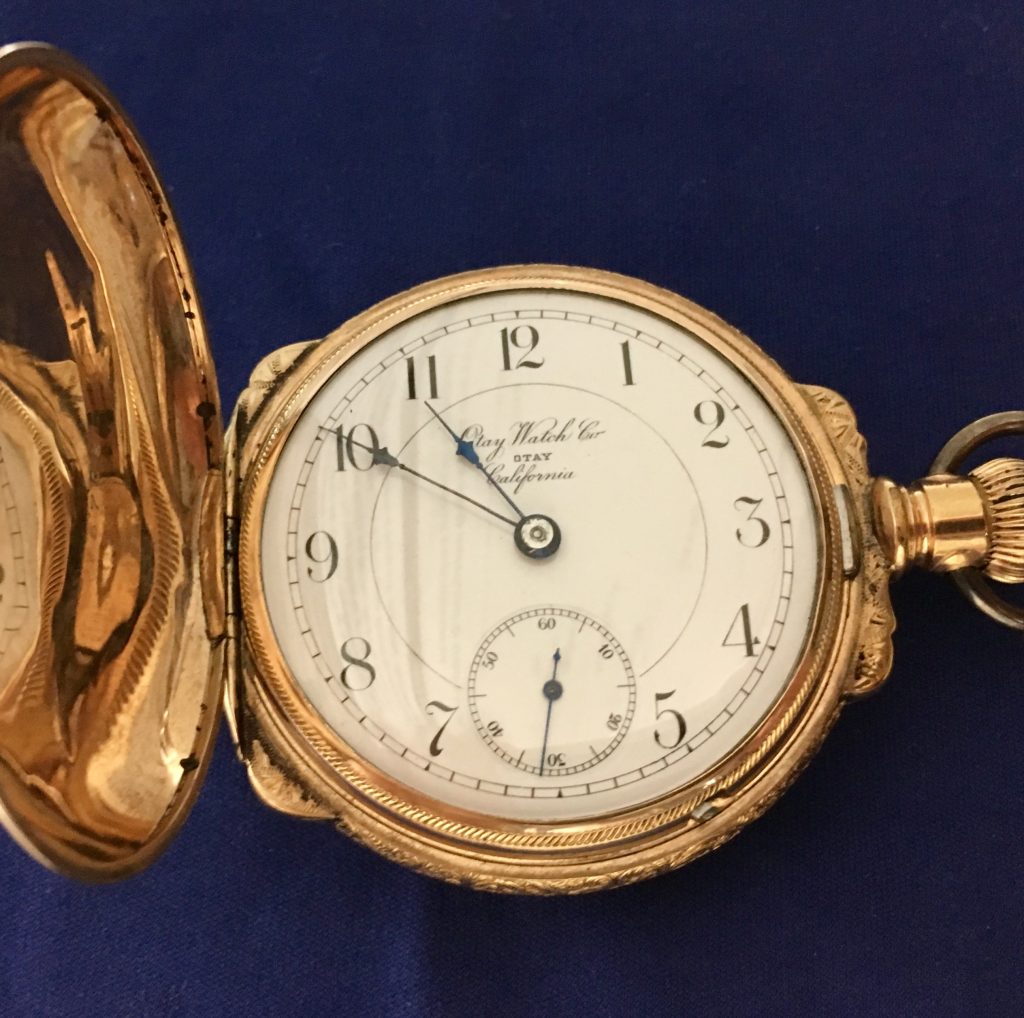
The dial is in excellent condition, and the gold filled case with elegant ornamentation makes this particular watch a very nice example. The case covers are a bit thin, indicating some manufacture cost saving.
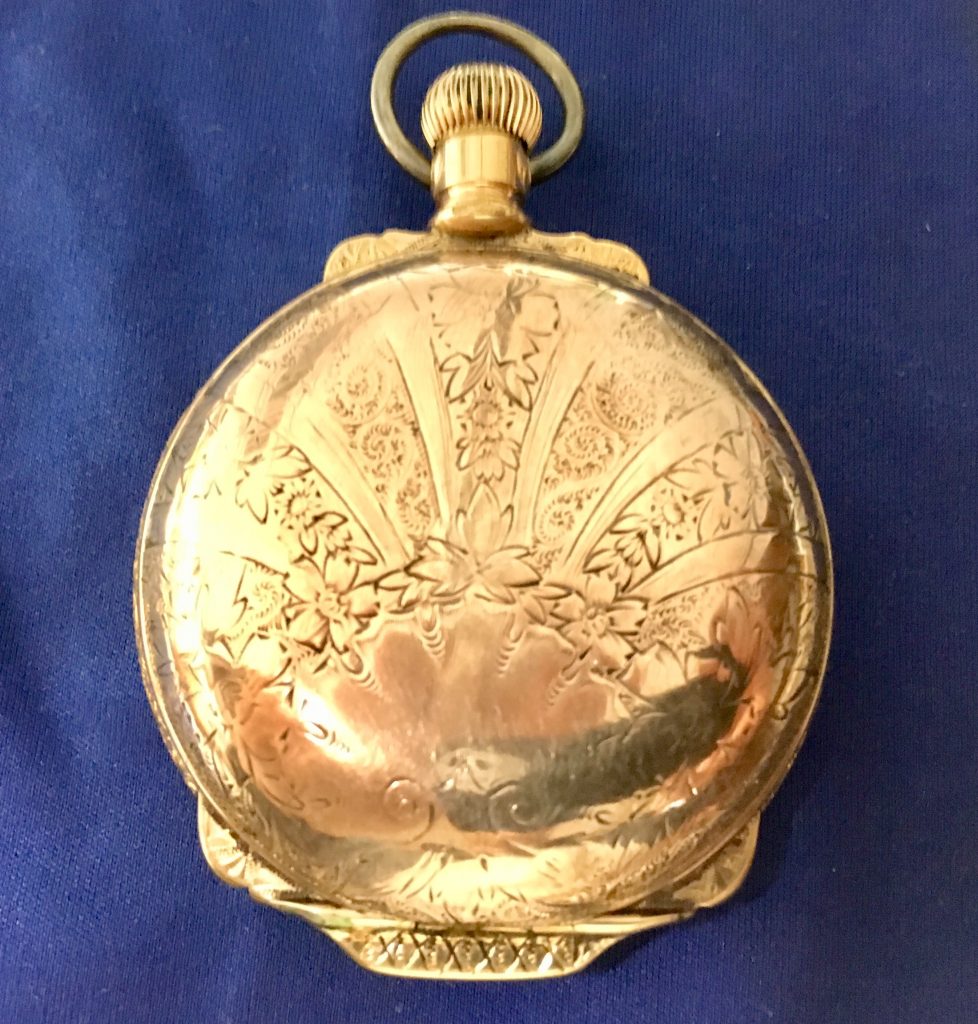
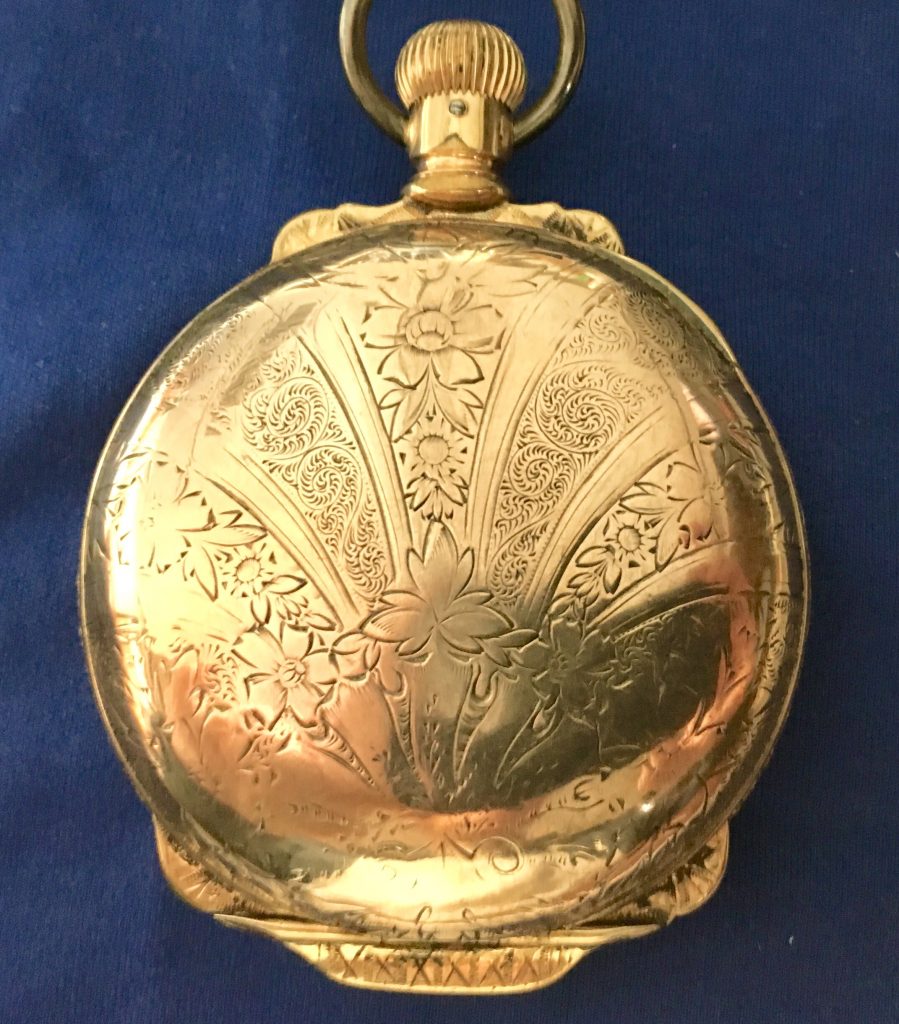
Case in fine condition with very little brassing near the crown tube.